AI Image Ethics: Stop Giving Every Indigenous Person Feathers, Totems, and Mystical Smoke
Original Chinese title: AI影像倫理:別再把每個原住民都生生成羽毛、圖騰與神秘煙霧
Generative imagery lets anyone create Indigenous-style posters, videos, and character designs in seconds; the problem is that most models stop at feathers, animal skins, totems, campfires, mystical smoke, and cinematic stereotypes.
玄岸
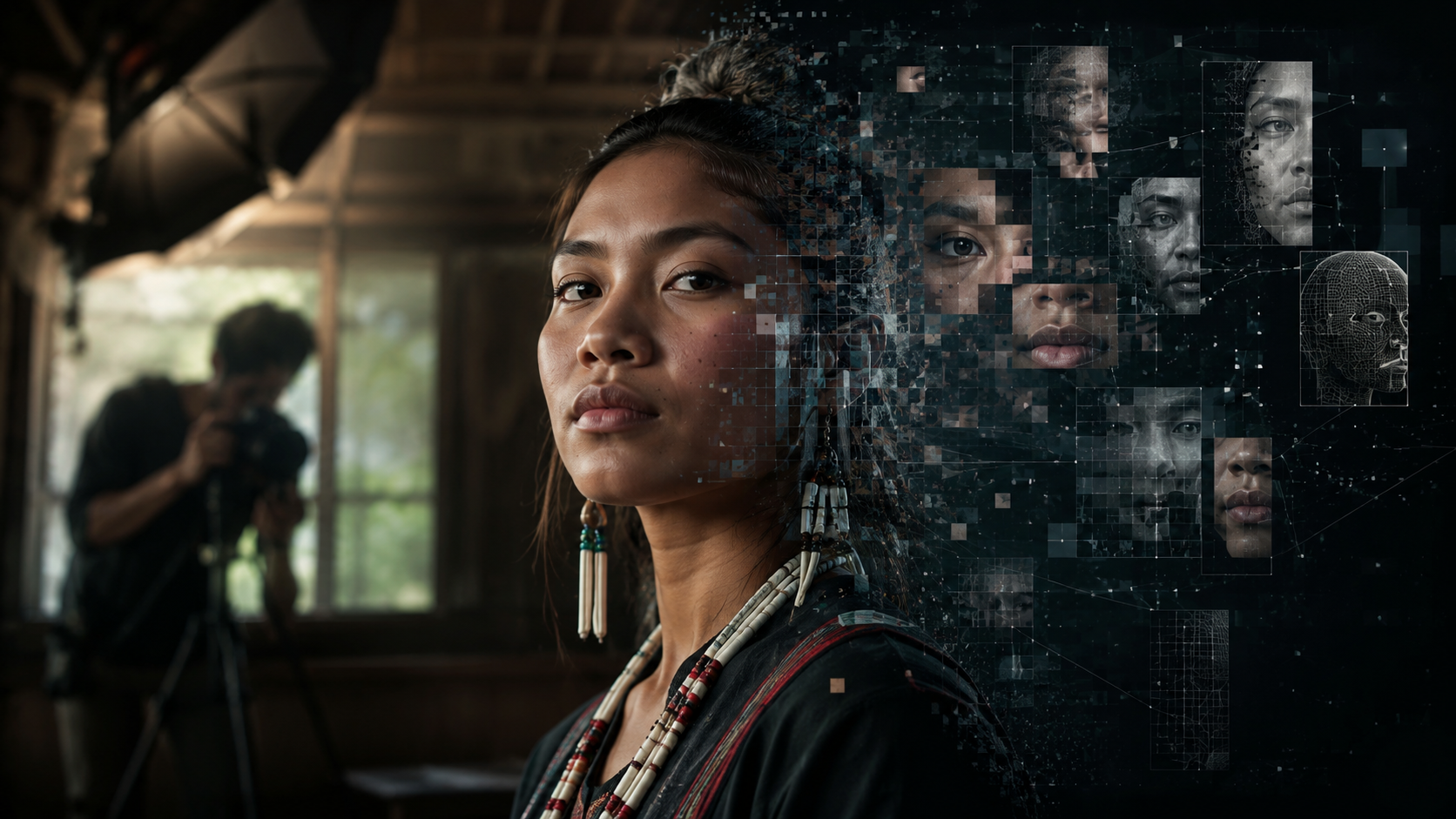
The Indigenous People AI Generates Best Are Nonexistent
Ask any image model to generate an Indigenous warrior or tribal elder, and you'll likely get a hybrid of North American headdresses, Austronesian patterns, fantasy-movie musculature, smoke backgrounds, and undefined sacred symbols. It looks shocking, but it's actually like throwing global Indigenous cultures into a blender and pressing 'epic'.
This isn't creative freedom; it's automated data bias and visual colonialism. The most terrifying thing about AI-generated imagery isn't that it gets things wrong—it's that it gets them wrong with high fidelity. When errors are high-resolution enough, audiences are more likely to believe them.
Image Misplacement Is Not a Minor Flaw
Text errors can be questioned by readers; image errors often become impressions directly. Clothing, face paint, ornaments, ritual vessels, hairstyles, class symbols, and ceremony scenes aren't free-for-all collage materials.
Some symbols belong only to specific families, age groups, ceremonial positions, or life stages; some objects shouldn't be used as atmospheric props in commercial posters. When models mix these symbols into a pretty image, the harm isn't just an art mistake—it's tearing cultural context into sellable visual parts.
Three Common Errors in Media and Education Settings
First is ethnic mixing: blending Paiwan, Amis, Atayal, Bunun, or North American imagery into 'pan-Indigenous'. This mixing is often packaged as creativity but is actually intellectual laziness.
Second is mystification: every scene needs smoke, moonlight, campfires—as if Indigenous people are always filming supernatural movies. These images seem respectful but turn living people into eternal mystical backdrops.
Third is aesthetic masking: the pictures look beautiful but don't label AI generation, don't state data sources, and don't seek community review. These works are most troublesome because they aren't malicious yet spread quickly.
Guidelines for Using AI Imagery
First, clearly label AI-generated content and human edits. Second, when using ethnic names, verify clothing and symbols; if uncertain, avoid specific references. Third, involving ceremonies, medicine, ancestors, funerals, face paint, and sacred objects requires higher review levels.
Fourth, commercial use needs authorization and benefit sharing. Fifth, instead of pursuing 'looking Indigenous', pursue 'not impersonating, not mixing, not stealing'. Image ethics isn't just writing prompts more carefully—it's acknowledging from data sources through generation processes to publication contexts that culture isn't a free asset pack.
High Resolution Isn't High Ethics
AI imagery makes errors look beautiful and laziness look professional. True cultural image creation doesn't mean writing more elaborate prompts; it means the generation process acknowledges: some things can't be drawn randomly, some things can't be sold randomly, and some things need to ask people first.
If an image needs ethnic symbols for atmosphere but isn't willing to take responsibility for verification, authorization, and benefit sharing, then it's not cultural creation—it's data appropriation wearing artistic clothes.
AI use and content-safety disclosure
This article was reviewed by the author before publication; AI assisted in drafting and formatting. Content involving Indigenous imagery, clothing, ceremonies, and sacred symbols still requires cultural context and community review.