莊溪 | It's Not Just About Memorizing Plant Names: How Do We Really Relearn 'Knowing Plants'?
Original Chinese title: 莊溪|不是背植物名字而已:我們到底該怎麼重新學會「認識植物」?
Knowing plants is not just about memorizing Latin names or uses, but learning to see seasons, terrain, care methods, Indigenous language naming, and the relationships between people and their environment.
莊溪
Award winner for contributions to plant education
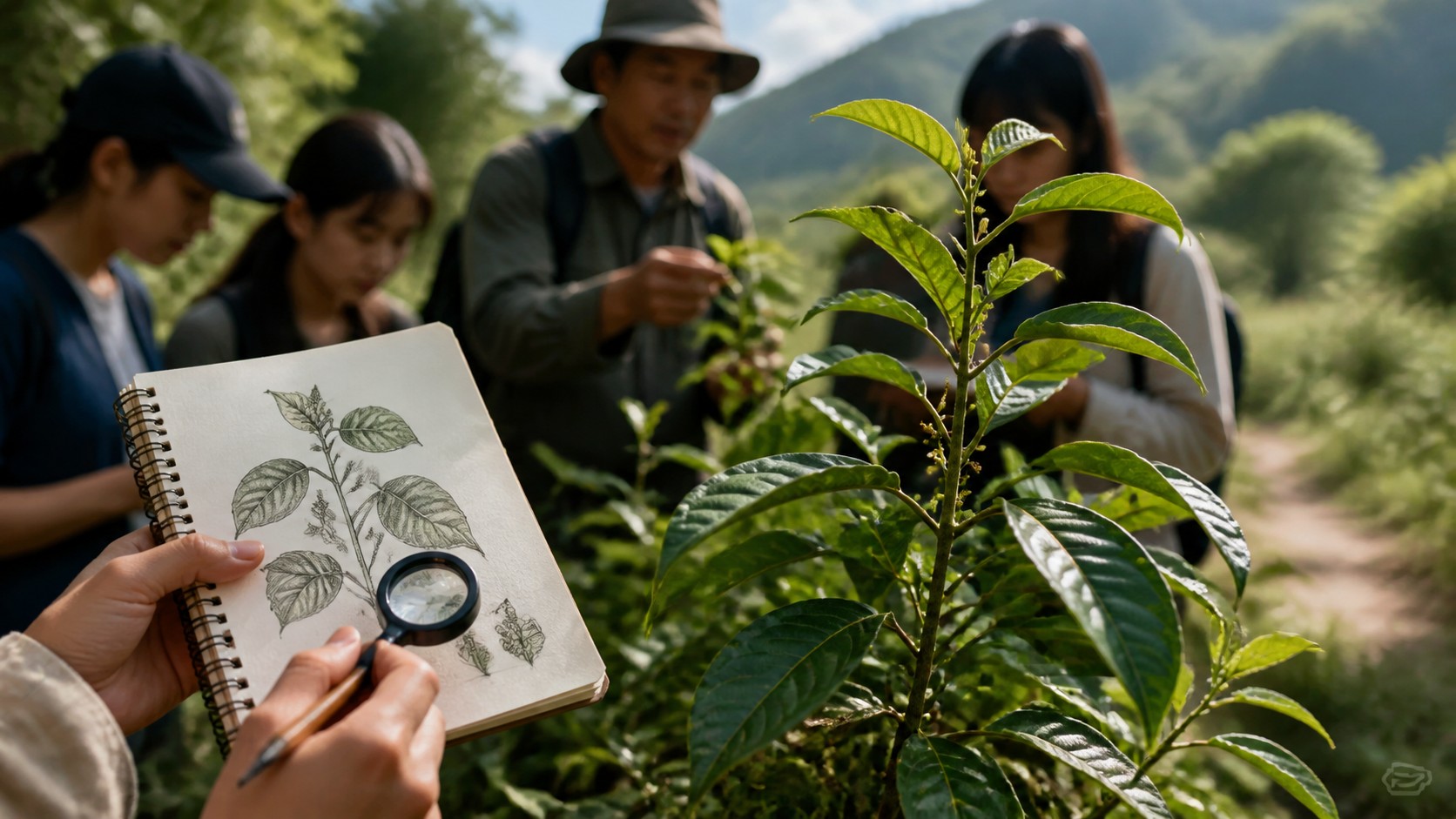
We Think We Know Plants, But We Only Know Their Names
Many nature education programs start with plant names—and end there. Teachers point at leaves and say what they are; students copy down the names. Exams ask about characteristics, and students memorize answers. This is certainly useful, because names are the gateway to knowledge.
But a gate is not a house. Knowing only names does not mean truly knowing plants. It's like knowing someone's name but not their personality, life, family, work, or memories.
Plants are not nouns in a specimen cabinet; they are living beings existing in light, water, soil, wind, insects, birds, harvesters, caretakers, and stories.
Knowing Plants Begins with Time
The same plant looks completely different across seasons. New shoots, flowering, fruiting, leaf fall, disease spots, insect damage—all reveal its relationship to the environment. If students only see pictures in a classroom, they struggle to understand that plants are temporal processes.
Relearning how to know plants starts by putting time back into the picture. When does it sprout? When is flowering easiest to spot? Which animals come when fruit ripens? After droughts, typhoons, or torrential rain, what changes?
These questions move more slowly than rote memorization—but they get closer to the plant itself.
Behind Names Lie Different Worlds
Plants can have Latin names, Chinese names, Indigenous language names, local vernacular names, and even nicknames children invent. Each naming system reflects a different perspective. Latin names emphasize classification; local names may highlight uses, shapes, flavors, seasons, or stories.
When we accept only one name, other knowledge gets pushed aside. Especially among Indigenous Peoples and local communities, plants are often more than species—they are food, medicine, materials, taboos, toys, landmarks, and memories.
This does not mean all names must be merged into a single system; it means students should understand that naming is not neutral—naming itself is a knowledge regime.
AI Can Help, But Cannot Replace Observation
Today, snapping photos with smartphones can identify plants, and AI quickly provides characteristics, uses, and distributions. This makes learning convenient, but also breeds new laziness. If students trust identification results without examining leaf arrangement, scent, habitat, or season, AI may actually degrade their observational skills.
A better approach is to treat AI as a second opinion, not the first eye. Observe first, then query; describe before comparing; record your own uncertainties before letting tools narrow the range.
True plant learning isn't about letting machines see for us—it's about letting them remind us that we haven't looked enough yet.
Relearning How to Know Plants Is Relearning How to Coexist with the Environment
The deepest goal of plant education is not to turn everyone into a taxonomist, but to help people feel connected again to their environment. Knowing when a certain grass emerges, why a particular tree stands where it does, or why elders saved a specific leaf for use—these insights shift us from merely walking through landscapes to entering them.
Thus, knowing plants is not just about memorizing names. It is a capacity to slow down—a method of reconnecting eyes, noses, hands, memories, and responsibility back to the land.
AI use and content-safety disclosure
This article is compiled from the author's perspective; AI assisted in paragraph structure and text editing. For specific plant uses, always return to professional knowledge and local context for confirmation.