AI Doctors Are Smart, But Do They Know Which Leaves Not to Pick?
Original Chinese title: AI醫生很聰明,但它知道哪片葉子不能亂摘嗎?
AI medical systems are learning to read images, summarize records, predict risks, and now they're eyeing traditional medicine knowledge. The question isn't whether AI can organize herbal data—it's whether it will misread relational knowledge as a formula database. Traditional medicine is not internet folk remedies nor raw material waiting for tech assimilation.
陳重詒口述
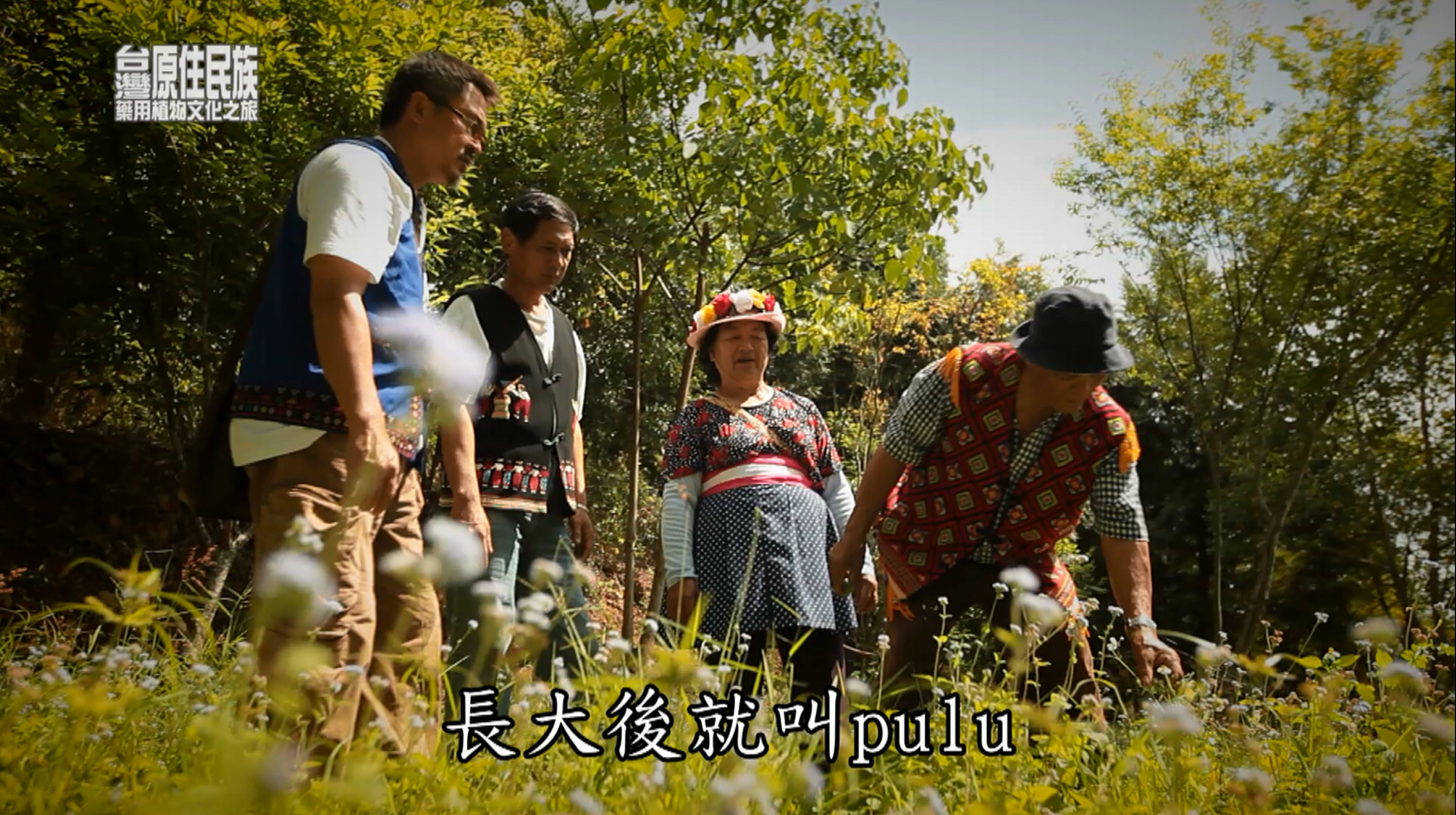
AI medical systems are becoming increasingly adept at reading: images, records, risks—and everything on the internet that looks like knowledge. When they start reciting herbal names, tech companies can easily announce another data mountain conquered. But in real fieldwork, the first questions asked aren't "what components does this plant have," but who brought you here, is it the right time now, may we enter, and may this knowledge be spoken.
So when AI begins reciting herbal lists, please close the door a little tighter. Not to refuse learning, but to avoid a system that wants to read everything mistaking relational, bounded knowledge for an open menu.
Traditional medicine is not a formula, but a lived world
Taking Puyuma Indigenous community traditional medicine fieldwork as an example, identifying plants is only the surface. Knowledge also includes environmental change, collection ethics, bodily experience, care relationships, taboos, seasons, and transmission responsibilities. The same plant can have different meanings in different contexts; knowing its name doesn't equal knowing how to approach it, let alone having usage rights.
Databases prefer stable fields: names, parts, uses, effects. Lived worlds won't line up neatly. Who collects, for whom, how the environment recovers after collection, and when modern medical referral is needed often matter more than a single label. If AI only leaves "plant plus symptom" pairings, it's like taking down a house by its address number and declaring the building fully preserved.
Safety and efficacy: respect does not mean no verification
Respecting traditional medicine doesn't mean all claims go unexamined; demanding scientific verification doesn't mean taking knowledge away from communities. Public health must hold two things simultaneously: cultural safety and medical safety.
Plants can be affected by species differences, environment, processing methods, and individual constitutions, and may interact with medications to create risks. If AI organizes scattered narratives into seemingly definitive answers, users struggle to see uncertainty. Therefore systems should not provide self-collection instructions, dosages, or treatment guidance; symptoms and medication still require qualified medical professional judgment. Model tone can be very confident—the body won't sign a liability waiver because of it.
The old biopiracy script, AI just changed the player
The basic plot of biopiracy isn't new: external institutions take local knowledge, turn it into research, patents, products, or brands, and the original community loses control and benefits. AI speeds up this process. Large volumes of text, images, and interviews can be scraped, classified, inferred, then models generate new "discoveries," while sources gradually blur across multi-layer supply chains.
Even if data was public, it doesn't mean communities consented to commercial training, health advice, or product development. Authorization must target specific uses and include refusal, withdrawal, benefit-sharing, and error correction. Otherwise so-called smart healthcare might just replace old-style collectors with sleepless crawler programs.
What can AI do? Yes, but carefully
Under community leadership and clear authorization, AI can help organize non-sensitive public data, build multilingual indexes, identify duplicate records, flag missing information, or assist research teams in tracking safe literature. It can also serve communities' own education and preservation needs rather than assuming all outputs must enter general models.
Systems should adopt tiered permissions: sensitive content stays out of circulation, usage logs are auditable, data is withdrawable, model scope cannot expand covertly. If AI participates in health information, it must label limitations, provide human review mechanisms, and referral pathways. The most important thing isn't how many questions the model can answer—it's knowing which questions it shouldn't answer for others.
Education and media responsibilities
Schools and media should not portray traditional medicine as mysterious wonder nor degrade it to unscientific superstition. Good reporting explains knowledge's community context, authorization methods, and public health boundaries; does not reveal collection sites, demonstrate replicable processing details, or stimulate clicks with "lost secret remedies."
Educational settings can discuss plant ethics, data governance, medical verification, and historical biopiracy so students understand traditional knowledge is neither internet folk remedy nor tech company raw material warehouse. When content involves specific Indigenous peoples, that community should decide how to present it—not treating "Indigenous Peoples" as a convenient general folder.
Conclusion: Smart Systems Must Ask Permission Before Entering
AI can quickly identify images, organize text, find connections—but traditional medicine truly tests not recognition speed but relational judgment. Knowing a leaf's name doesn't mean knowing whether you may pick it; having a record doesn't mean you may transmit it.
If a smart system wants to enter traditional medicine, its first lesson shouldn't be memorizing more data—it should learn to ask permission, wait for answers, and accept that some doors won't open for it. That's not information deficiency; ethics are now at work.
AI use and content-safety disclosure
This article was generated as a draft by Yuan Media AI's daily article factory, then reviewed by human editors before publication; it does not provide prescriptions, dosages, collection sites, or medical advice. Content involving Indigenous traditional medicine still requires community authorization and professional medical judgment.