Drones Are More Than Flight Training: Taiwu Connects Technology to Disaster Response, Inspection and Local Services
Original Chinese title: 無人機不只是飛行課:泰武把科技訓練接上救災、巡檢與地方服務
Taiwu's drone empowerment is not just about teaching operation; it is testing how technology becomes local public service capacity.
Yuan Media AI Editorial Desk | AI-Driven Indigenous Township Economy and Policy News
Focused on technology empowerment, local public services, mountain governance and Indigenous township industry transformation.
# Drones Are More Than Flight Training: Taiwu Connects Technology to Disaster Response, Inspection and Local Services
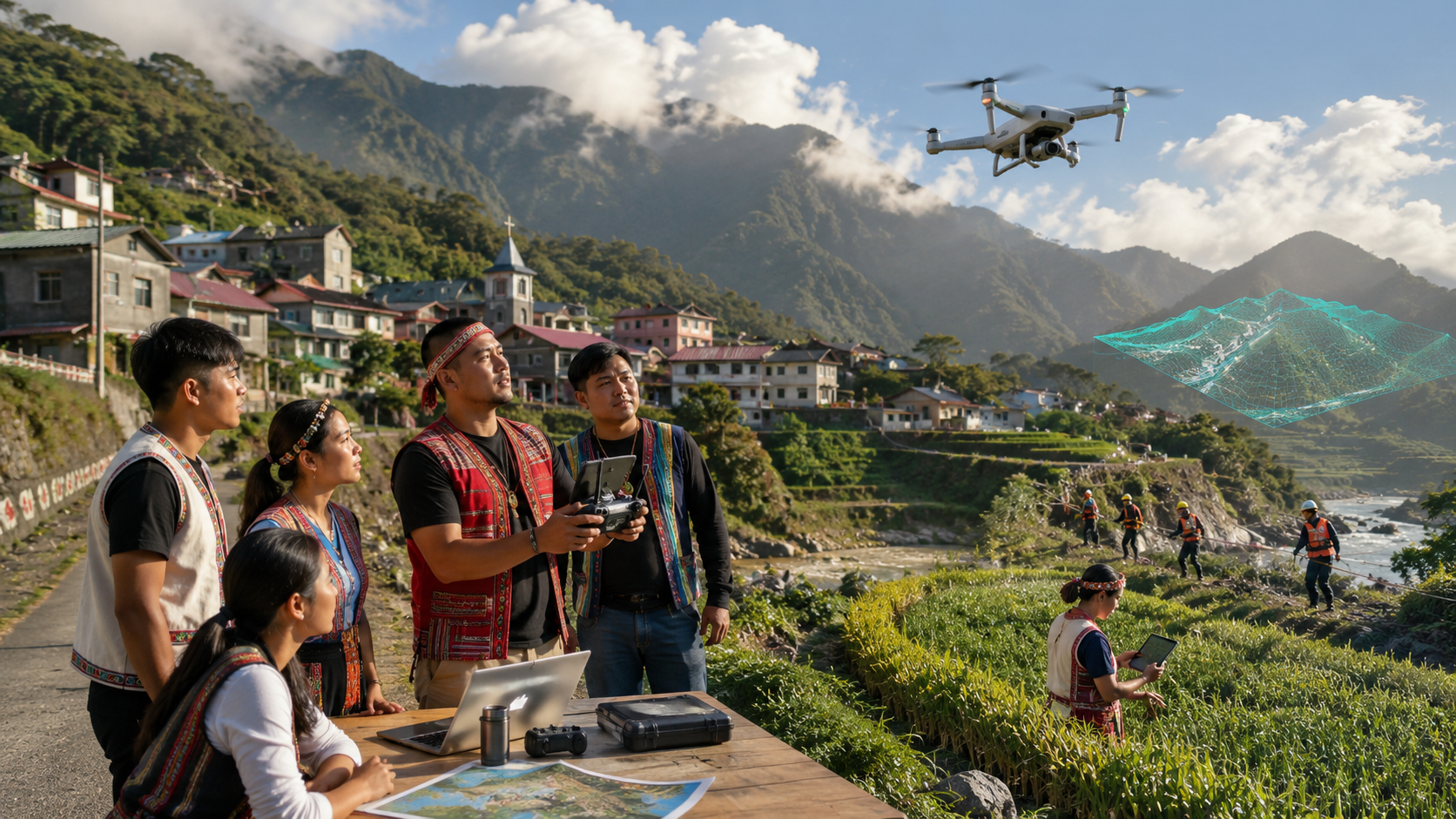
Taiwu's recent public information on drone empowerment is most noteworthy not for adding another course, but for these courses moving from "technical demonstration" toward "local public service capacity." This difference seems subtle but is actually significant. If technology stays only in classrooms or certifications, the local community gains short-term buzz; if it connects to disaster response inspection, mountain observation, agricultural support, Indigenous community road and environmental reporting, then it truly becomes a local asset.
The meaning of drones for Indigenous Peoples has never been just about trendy tech. Fragmented mountain terrain, rapidly changing weather, limited road conditions mean many routine inspections and post-disaster analysis require faster, higher, safer perspectives. When drone technology combines with local youth, Indigenous community organizations, township offices, schools or patrol systems, what accumulates is not just flight hours but new tools for local governance.
This also shows that the most valuable direction for Indigenous township tech empowerment is not "what software was taught today" but "can it be used tomorrow." If a drone course ends with only a few photos, it differs little from short-term events. But if it further connects to crop inspection, disaster point reporting, stream and slope monitoring, tourism route maintenance, or even local autonomous data collection, it becomes not just education but service capacity.
The key future challenge is linking empowerment courses to actual tasks. Who maintains equipment? Who manages data? Who can activate during disasters? Are there cross-agency cooperation mechanisms? Does the local community have stable funding support? Technology entering Indigenous townships does not fear slow starts; it fears each time stopping at demonstration. Taiwu's value, if properly documented, may not be another case study but a more practical answer to how technology truly returns to the local.
AI use and content-safety disclosure
This article was compiled and edited by the Yuan Media AI editorial process, reviewed by human editors before publication.