Tourism is not a cultural ATM: when local brands become beautiful, who remembers residents need to live?
Original Chinese title: 部落旅遊不是文化提款機:當地方品牌變漂亮,誰還記得居民要生活?
From community tourism and place branding to cultural route design, true sustainability does not turn communities into attractions; it preserves residents' decision-making power.
Balriwakes
Focuses on community tourism, place branding, crafts, cultural economy and community governance; writing combines warmth with industry analysis.
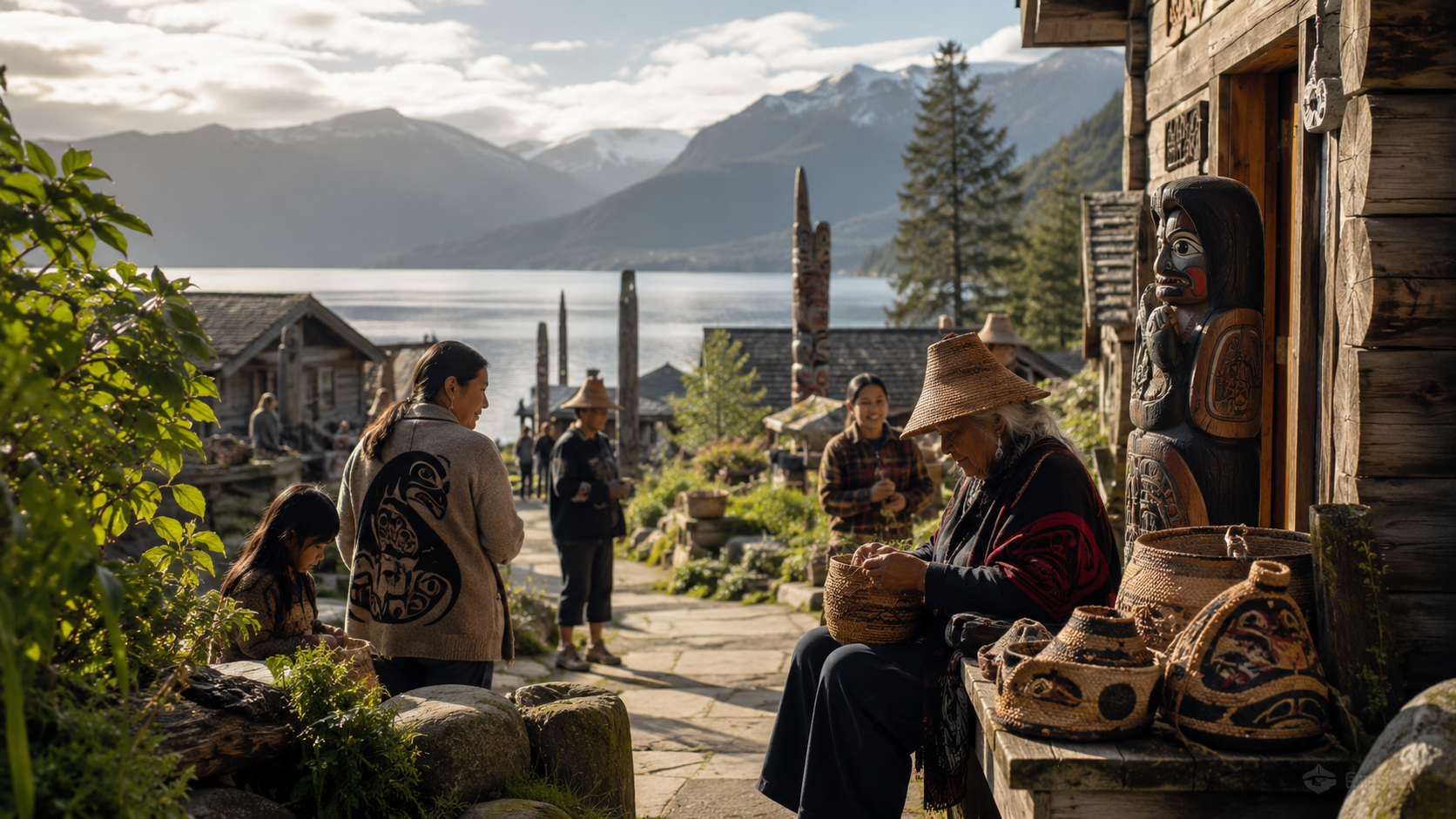
# Tourism is not a cultural ATM: when local brands become beautiful, who remembers residents need to live?
The most charming aspect of place branding is that it can organize scattered stories, crafts, food and landscapes into a path that outsiders can understand. The most dangerous aspect often lies here too: once organized too beautifully, the place easily gets mistaken for just an attraction waiting to be consumed.
If culture only remains visually appealing, it quickly becomes a backdrop
Many tourism plans love to talk about highlights: photo spots, signature dining tables, craft experiences, cultural routes, souvenirs, festivals and events. These are not problems in themselves; the problem is that they too easily let outsiders see only the "displayable" parts while ignoring the place's real supporting structures: who cares for the elderly? Who maintains the houses? Who teaches children their language? Who collects chairs, cleans up trash after events, and deals with life disruptions caused by tourist overflows?
The more beautifully a place is photographed, the more residents are often asked to conform to certain expectations: be enthusiastic, simple, full of stories, handmade, ideally just right in being "very authentic." The black humor is that many times those who consume places most avidly are precisely those who claim to love them most. When culture is viewed as a service industry, residents easily get compressed into backdrops.
Sustainable tourism is not about satisfying tourists but giving the place choice
The key to truly responsible community tourism is not making tourists feel they got their money's worth; it is enabling the place to decide: which stories can be shared publicly? Which rituals cannot be performed for display? Which crafts can be commercialized and which symbols are unsuitable? Which routes can be taken and which places should be preserved? How many tourists is too many? How are revenues distributed? When residents do not want to host, do they retain the right to refuse?
If these questions are not properly answered, place branding easily becomes a packaging project. A beautiful logo, moving introductory text, captivating event photos may look great on paper; yet when people return to the community, residents often end up with only busyness, exhaustion and fatigue. The presentation appears sustainable while daily life is hard — this contradiction is common in many planned tourism initiatives.
Place is not a vending machine but a door
A good place brand should be like a door: it invites outsiders in while also telling them that people live here, there are rules, boundaries and parts that cannot be touched. A bad place brand acts like a vending machine: insert coin, take item, photograph, leave. Culture is cut into small pieces for easy sale; life is organized along the most convenient consumption path; what remains is often hollowed-out bustle.
Community tourism is not a cultural ATM. Brands can be built, industries developed and travelers welcomed — but only if the place retains its agency rather than being led by market logic. Culture can welcome guests but cannot lose the right to refuse; places can tell stories but should not be forced to list every story for sale. True sustainability does not make a place appear more charming; it ensures that even after charm is recognized, residents can still live well.
AI use and content-safety disclosure
This article was compiled and edited by Yuan Media AI editorial workflow, reviewed by human editors before publication.