Museums Finally Learn to Shut Up: Ancestors Are Not Exhibits, Research Is Not a Privilege
Original Chinese title: 博物館終於學會閉嘴:祖先不是展品,研究不是特權
Cultural repatriation is not anti-knowledge; it opposes unauthorized knowledge appropriation. When display cases empty out, sometimes culture does not disappear—it is rights finally coming home.
'aboeh 潘
Saisiyat international Indigenous researcher, focusing on comparative issues with Māori, Inuit, Ainu, First Nations and data sovereignty; this article adopts an international institutional comparison perspective, does not speak for any group, and does not disclose closed knowledge details.
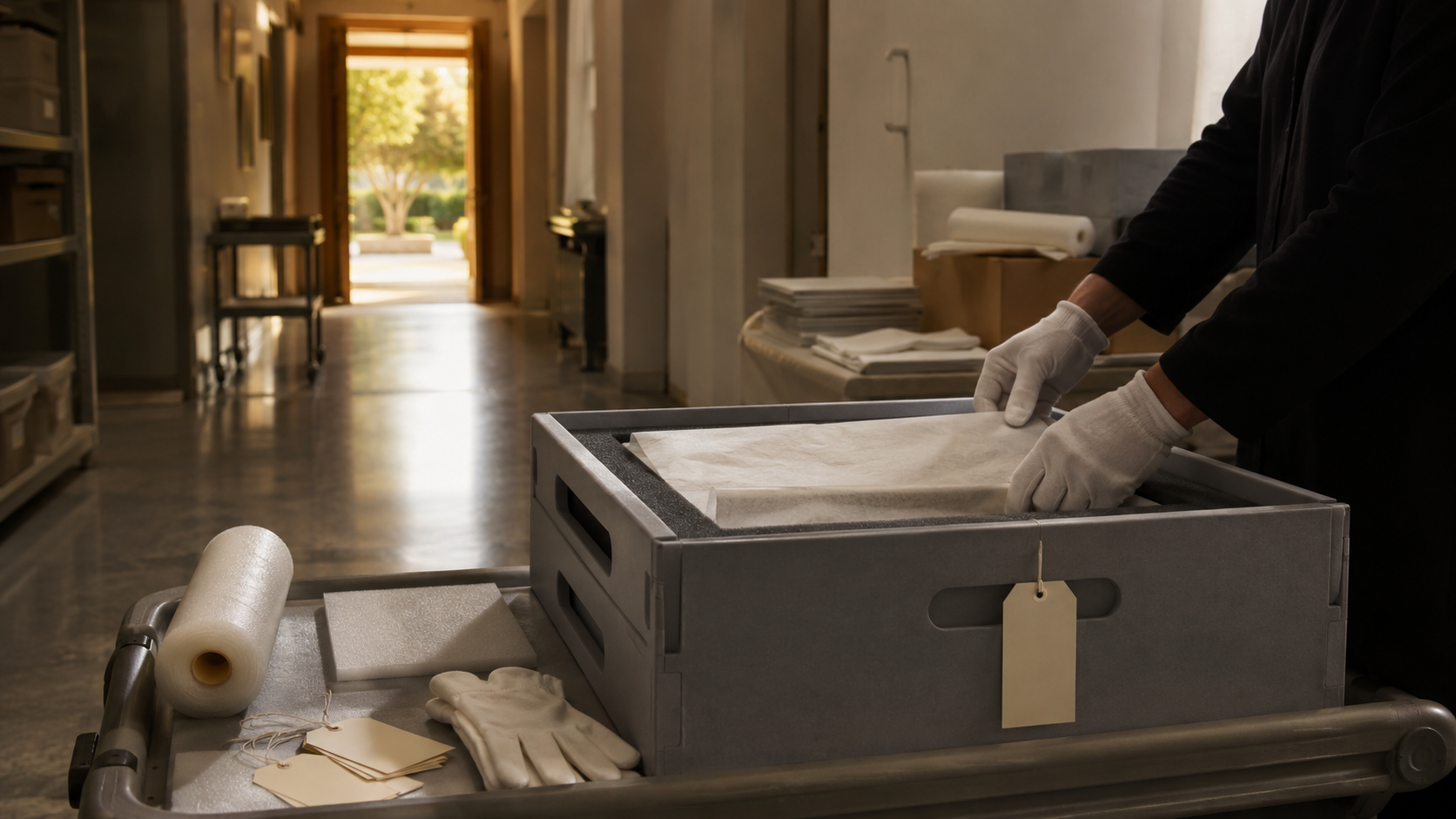
The one thing museums are best at is turning silence into placards. Things in glass cases get named, numbered, dated, classified, with a few pretty words beside them, and viewers think they understand civilization. This technique used to be very effective, especially for those who were not present. The dead do not protest, ancestors do not ring bells, sacred objects do not say at opening receptions: "Sorry, I did not consent to exhibit." So silence is mistaken for authorization.
But the Indigenous cultural heritage repatriation movement is dismantling this convenience. Revisions and implementation of U.S. NAGPRA have forced museums, federal agencies, and academia to confront a fundamental question again: Is collecting preservation or appropriation? Is research public knowledge or an extension of power? Is exhibiting education or ticketing others' wounds after shining them up? These questions are not new; many people just pretended they did not hear.
The importance of the NAGPRA new rule is not only faster legal procedures, but that it recognizes traditional knowledge and community relationships are not footnotes to exhibitions. Many institutions have been accustomed to treating archaeological evidence, bone analysis, collection archives as "hard data," while tribal oral histories, family memories, ritual relationships and landscape connections were treated as "cultural statements." This classification itself is colonial knowledge arrogance: others' ancestors must first pass your methodology before they qualify to be recognized as ancestors.
When museums are required to obtain free, prior, informed consent, many suddenly start worrying about research being blocked, exhibitions emptying out, audiences losing educational opportunities. Such worries can be sincere, but sometimes they sound like thieves complaining that upgraded door locks cause inconvenience. Knowledge will not die because ancestral remains are no longer displayed arbitrarily; research will not lose value because it needs community consent. On the contrary, it may finally learn manners. For some institutions this is indeed a startling advance—after all, manners are harder to learn than carbon-14 dating.
For archaeology and museology, the real challenge is not declaring moral closure after returning objects, but rebuilding relationships. Repatriation is not a courier service; sending a box back does not mean colonial history has been read and ignored. It includes source investigation, archive opening, community negotiation, preservation resource support, restoration of language and interpretive rights, and acknowledging that some knowledge should not be public, some objects should not be photographed, some stories should not be repackaged by outsiders as exhibition highlights.
This is especially important for Yuan Media AI. When we build cultural databases, image libraries, speech recognition and traditional knowledge chatbots, we cannot just ask "is there enough data," but must also ask "who has the right to let data exist here." The mistakes museums have made, AI systems can make faster, bigger, more beautifully: turning ancestors into metadata, sacred objects into training samples, community memories into searchable content, and finally using a friendly interface to say "I just provide knowledge services." This sounds neutral but is also dangerous.
The core of cultural repatriation is not anti-knowledge; it opposes unauthorized knowledge appropriation. True public knowledge should not be built on the forced silence of some communities. When display cases empty out, viewers may be disappointed; but an empty case can sometimes be more honest than a full one. It tells us: not everything belongs to public view, not all research is more important than relationships, not all preservation whitewashes plunder. When museums finally learn to shut up, culture does not necessarily become less; just the noise of power becomes quieter.
A deeper issue is that museums have treated "viewing" as a natural right. As long as objects are collected, donated, classified, preserved, they seem to enter public knowledge territory naturally. But for many communities ancestors are not specimens, sacred objects are not textbooks, burial sites are not database portals. Some objects are important precisely because they should not be seen by everyone; some knowledge is complete precisely because it is restricted within specific relationships, seasons, responsibilities and ritual contexts.
This also challenges the lofty-sounding phrase "human common heritage." Common cannot be built on one-sided taking; heritage cannot be named unilaterally by collectors. Without consent from those taken, so-called common may just be comfort words invented by appropriators. Decolonization is not turning off all exhibitions nor kicking researchers out, but demanding knowledge production relearn to ask: Do I have the right to look? Do I have the right to speak? After I speak, who bears the consequences?
For Taiwan these international institutional changes are not distant news. Museums, academic surveys, tribal images, voice data, place names, ritual records and digital collections in Taiwan also face similar problems. When a recording, a photograph, an Indigenous language word, or a ritual description is put into a database, it is not just one piece of data but a relationship. If databases only pursue searchable, downloadable, trainable content without asking whether it can be public, who may use it, and how to give back, they may turn old colonialism into new interfaces.
True responsible repatriation includes not only objects going home but also interpretive rights, archive copies, preservation resources, language labeling and follow-up cooperation returning to communities. If museums are willing to shift from "what I collect" to "who I am accountable to," they can transform from power warehouses into relationship bridges. Then shutting up is not humiliation; it is learning: first stop speaking for others before you can hear how others speak about themselves.
Thus repatriation is also a temporal repair. It acknowledges that institutions have made some communities wait too long, and that many "legally collected" items are not ethically legitimate. When boxes are packed, archives organized, doors opened, what matters is not what museums lose but that communities finally decide what should be seen and what should return to relationships.
References: U.S. Federal Register 2023 NAGPRA Final Rule, 43 CFR Part 10, U.S. Department of the Interior new rule explanation, UNDRIP Article 31.
AI use and content-safety disclosure
This article was compiled and edited through Yuan Media AI editorial workflow.