Bringing Land into the Counseling Room: Place, Ancestors, and Nature as Resources for Psychological Restoration
Original Chinese title: 把土地帶進諮商室:地方、祖先與自然如何成為心理復原資源
For many Indigenous Peoples, land is not just background or property—it is also kinship, memory, responsibility, and identity. If psychological counseling ignores place loss, it may miss the source of suffering and overlook important restorative resources.
王莉如
王莉如 is a counseling psychologist and counseling supervisor whose work focuses on lived experience, relationships, trauma recovery, cultural difference, and the helping professions.
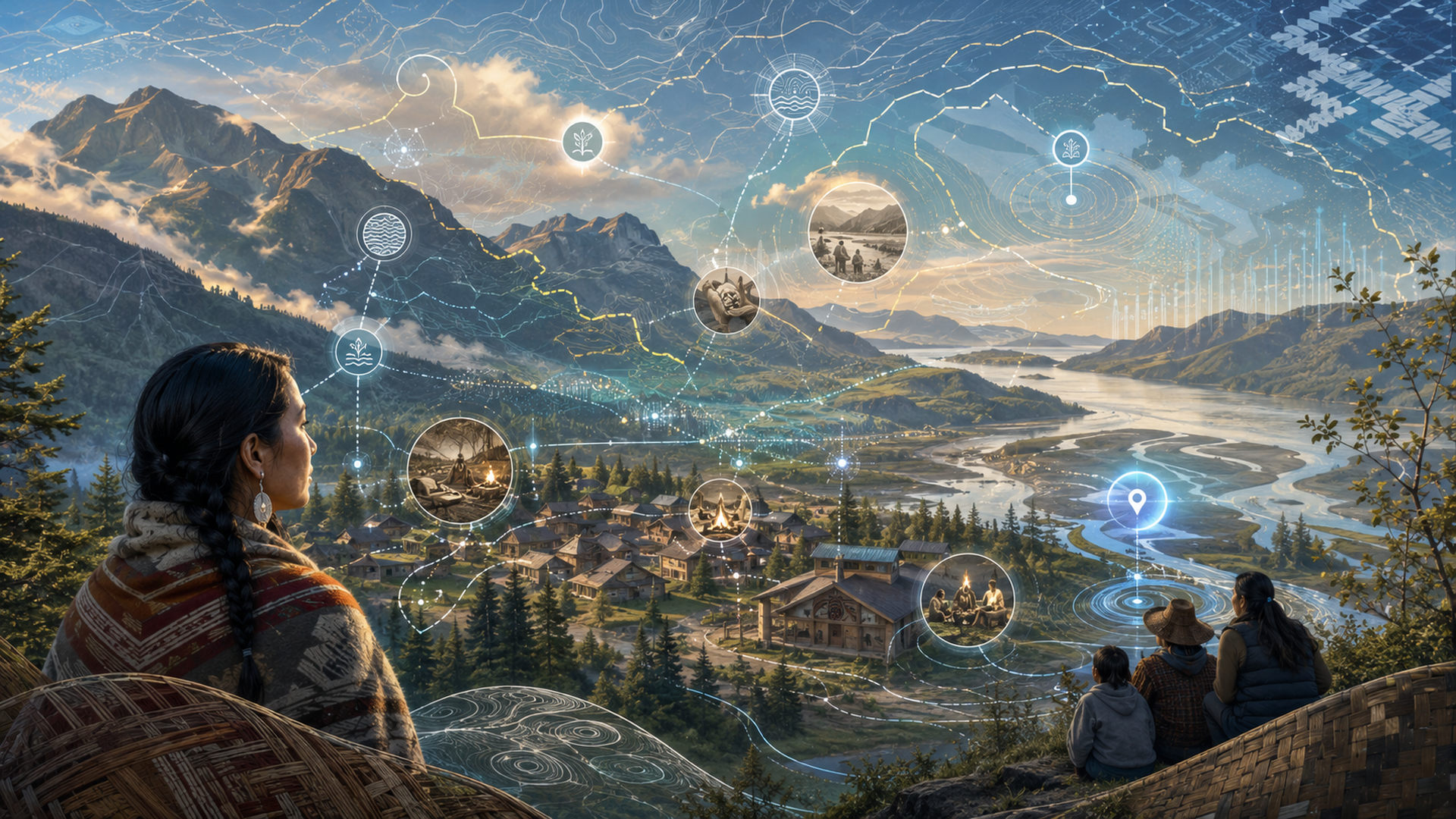
Land Is Not the Backdrop of Counseling Stories
In mainstream psychological discourse, where a person lives is often treated as an environmental variable: access to transport, neighborhood safety, and the availability of green space. For many Indigenous Peoples, the meaning of land goes far deeper than environmental conditions. It may connect ancestors, family responsibilities, language, food, rituals, seasonal knowledge, and identity. People do not live on land; they become themselves in relationship with land.
Forced relocation, disaster, development, pollution, exclusion from traditional territories, or prolonged absence from home can therefore bring more than practical disruption. They can produce forms of loss that standard diagnoses do not fully describe. When clients say, “I can’t go back,” they may be speaking not only about geography but about a rupture in the order of life, relationships, and identity.
Place Loss Enters the Body and Relationships
Place attachment research indicates that people tie memory, safety, identity, and meaning to specific locations. When a place is damaged or lost, grief may appear as insomnia, numbness, anger, powerlessness, or the loss of a sense of future. For groups with collective, cultural, and spiritual relationships to land, this impact may also cross families and generations.
Counselors who interpret a desire to return home merely as avoidance, or dismiss grief for land as “overthinking,” may reproduce the invalidation already experienced by the client. More useful questions include: “Which places help you feel whole? What was lost when you left? What forms of connection remain possible now?”
Land Can Also Be a Restorative Resource
Land-oriented support does not have to be packaged as special therapy. It may involve returning to familiar trails, planting, gathering, caring for water sources, listening to elders speak place names, describing seasons in Indigenous language, participating in community environmental actions, or creating small urban spaces that can continue cultural practice. Such practices can renew a person’s capacity to care and reconnect them with a wider network of relationships.
Canada's First Nations Mental Wellness Continuum Framework lists land, culture, language, elders, and kinship relationships as important foundations for mental well-being. The United Nations Declaration on the Rights of Indigenous Peoples also treats land, culture, and self-determination as rights—not merely personal preferences. For psychological services, the implication is that some restorative work must extend beyond the counseling room and involve collaboration with Indigenous communities, cultural practitioners, environmental work, and rights-based support.
Do Not Romanticize Nature
When discussing land healing, one cannot assume all Indigenous clients are familiar with traditional territories, enjoy outdoor activities, or will improve simply by "returning to nature." Land may also carry memories of disaster, bereavement, family conflict, or violence. Disability, gendered circumstances, economic constraints, or migration experience may also make particular activities inaccessible or unsafe.
Any outdoor, return-home, or cultural activity must be chosen by the client, with transport, physical capacity, weather, confidentiality, photography, cultural permissions, and other risks considered in advance. Counselors must not appoint themselves as cultural guides or appropriate community knowledge as therapeutic material. When collaboration is appropriate, relevant community members should be involved, with clear agreements on consent, compensation, and data boundaries.
Let "Where Are You From" Be More Than a Household Registration Question
Psychological counseling can ask an additional layer: What places are important in your life? How do the sounds, smells, paths, and people there support you? Which places are disappearing, which can still be cared for? These questions do not confine anyone to tradition. They acknowledge that inner life and place shape one another.
When land is made visible within counseling, healing is no longer limited to helping an individual adapt to loss. It may also involve renewed connection, shared care, and a restored sense of responsibility toward the future.
References
- Health Canada and Assembly of First Nations, First Nations Mental Wellness Continuum Framework
- United Nations, United Nations Declaration on the Rights of Indigenous Peoples
- New Zealand Ministry of Health, Te Whare Tapa Whā model of Māori health
Sources retained from the Chinese original
AI use and content-safety disclosure
This article was assisted by Yuan Media AI in organizing international public data and counseling psychology perspectives according to the 'Life Creation Lab' column direction. Content should be verified by the author or editor before publication. It is general educational information and does not replace individual psychological counseling, psychotherapy, psychiatric care, or crisis intervention.