Keeping Herds Healthy While Sustaining Families and Knowledge: Aymara Pastoral Care Across Generations
Original Chinese title: 讓牧群健康也守住家庭與傳承:Aymara 牧人如何把照顧、工作韌性與下一代知識連在一起?
Herd health in the Andes connects household work, livelihoods, and knowledge transmission. FAO work with Aymara pastoralists shows how veterinary evidence and herders’ observation can inform resilient care.
王莉如|諮商心理師督導
A counseling psychology supervisor focused on trauma recovery, couple and family relationships, professional ethics, and social and emotional support.
# Keeping Herds Healthy While Sustaining Families and Knowledge: Aymara Pastoral Care Across Generations
A herd is more than an asset
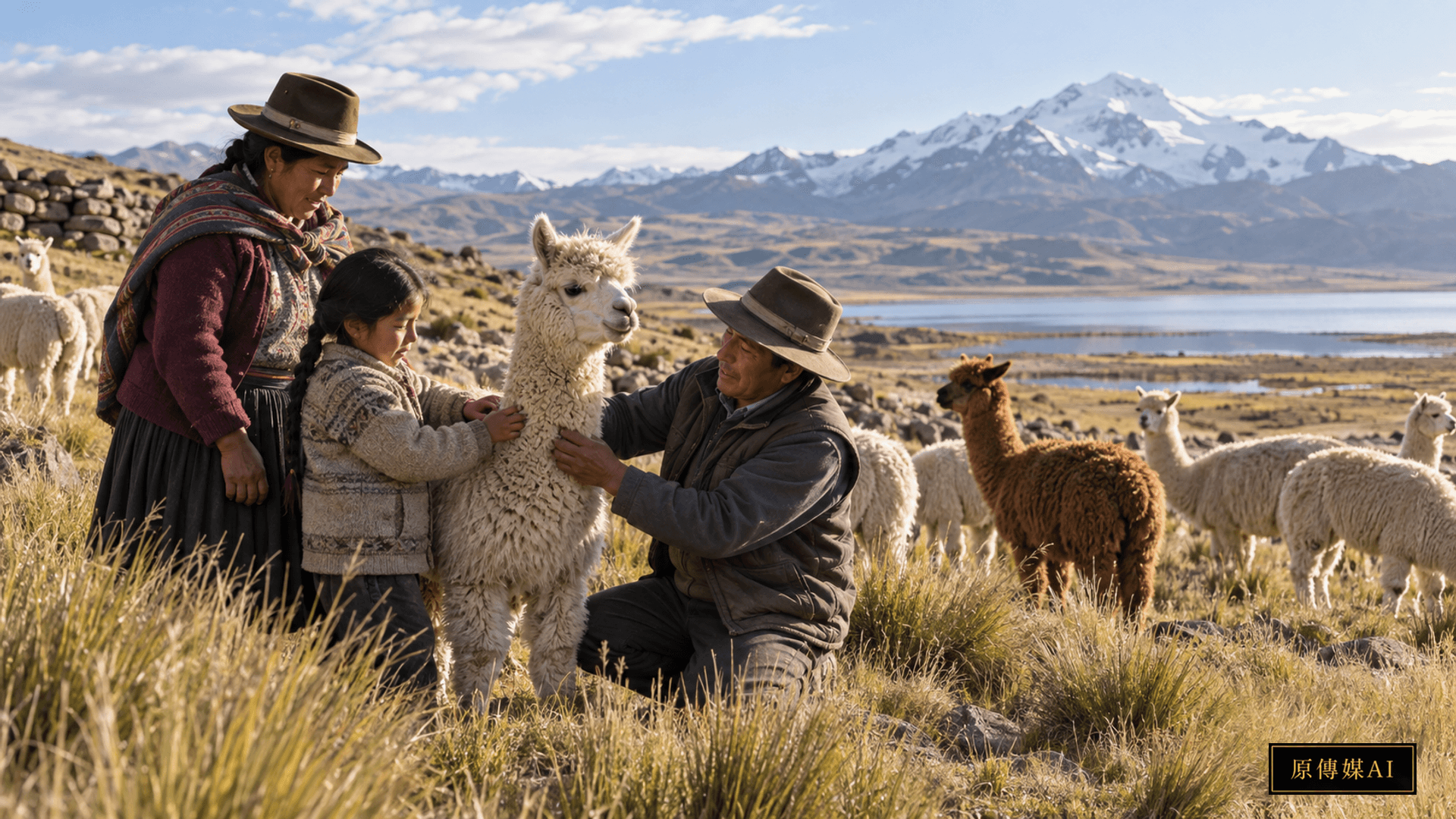
When herders check alpacas and llamas, they may notice feeding, gait, fleece, and whether young animals keep pace. These observations shape routes, care duties, veterinary help, and future fibre sales. Herd health is therefore linked to household work and food security. Veterinary measurements alone miss this context, while a purely cultural account can miss the need for diagnosis and treatment.
Care is continuous work in a demanding landscape
FAO describes Andean pastoralism across high, dry landscapes with limited service access. Water, pasture, wetlands, mobility, and markets shape herd condition. An animal illness can rearrange transport, labour, feed, and sales. Resilience means having resources to adapt and share care, not asking a household to endure unlimited strain.
What the FAO collaboration shows
A Chilean camelid management guide was developed with agricultural and local partners and with support from Aymara herding communities. It connects wetland stewardship, breeding, genetic diversity, and common disease. It is a collaborative practical guide, not a randomized trial or proof that every participating household earned more. Its value lies partly in treating herders’ observation as management knowledge.
Gender and time are part of care knowledge
Herd care may be shared across a household. Observing young animals, preparing fibre, negotiating sales, and taking relatives to appointments all affect whether care can continue. Interviews limited to the person who usually speaks for a household can hide other labor. Services should allow members to describe their work and decline to disclose sensitive arrangements. Knowledge transmission also depends on young people having viable income and choices.
Observation and diagnosis have distinct roles
Herders know an animal’s ordinary feeding, movement, reproductive history, and seasonal changes. Veterinarians can examine, test, diagnose, prescribe, and monitor. Local observations should not be presented as validated treatments, and professional teams should not dismiss early warnings from herders. Recording dates, symptoms, affected animals, and responses lets both sides check what happened.
Household pressure is not a diagnosis
Livestock loss can reduce income and increase care work. That does not establish a mental health disorder. A social and emotional support perspective asks who can rest, seek help, and share decisions, and whether services respect language and daily rhythms. Research on mental health would require consent, suitable methods, and qualified interpretation.
Two-Eyed Seeing: two-way knowledge and the next generation
Young people may learn to read pasture, recognize illness, understand seasonal movement, and know when to call a veterinarian. FAO calls for Indigenous knowledge to be sustained alongside participatory research. Herders should decide which knowledge may be shared; clinicians should explain findings in accessible language. Consent and return of results matter.
Making One Health a service route
One Health connects human, animal, and environmental health. For mobile pastoralists it can mean coordinated visits, accessible reporting of common disease, attention to water and wetlands, and transport support for households. Agencies need clear responsibilities and data rules so reporting does not simply add unpaid work.
How risk moves through households and markets
An ill young animal can affect treatment cost, breeding, fibre quality, and the time of sale. Pasture shortage or a blocked road may force decisions about animal care, paid work, and transport. These chains deserve study, but households differ; gender and age should not be assigned fixed roles. Members should describe their own work and choices, including how markets and services shape risk.
Monitoring that herders can use
A local disease record might include animal type, first observation, main change, date of help, veterinary assessment, and outcome. It should work without reliable internet and need not expose sensitive family knowledge or precise grazing locations. Veterinary teams can identify seasonal patterns, while herders should receive understandable feedback. Data that only move upward are unlikely to sustain trust or useful surveillance.
How to judge a better service
Counting workshops or printed guides is insufficient. Teams can track the time from illness to professional help, severe cases, treatment understanding, and changes in household transport and care hours. Weather, disease outbreaks, and markets must be considered. If benefits are uneven, examine whether distant households and principal caregivers can use the service, and return results to the community.
Lessons for Taiwan require local translation
Aymara highland camelid practices cannot be transplanted directly into Taiwan. Species, land rules, language, household work, and markets differ. The transferable questions are how keepers notice illness, who responds, how evidence returns to them, and whether young people can learn both ecological and veterinary reasoning. Local trials should be co-designed and judged against animal health, service speed, and household burden.
Continue asking from your role
- Herders and family caregivers: Ask about evidence, limits, and practical action.
- Veterinarians and animal-health workers: Ask about evidence, limits, and practical action.
- Community youth and knowledge stewards: Ask about evidence, limits, and practical action.
- Local policy and One Health services: Ask about evidence, limits, and practical action.
Sources and further reading
Role-Driven Inquiry
Yuan Media AI | Guided Questions by Role
Select a role first, then review the complete questions from that perspective; clicking a question will display Yuan Media AI’s response in real time.
Select a role
Herders and family caregivers
Examine the article's evidence, governance boundaries, data rights, and actionable steps from the perspective of a Herders and family caregivers.
Choose a question
AI use and content-safety disclosure
This article draws on official and research sources. Evidence, limitations, and analysis are distinguished. The cover is an AI-assisted concept image.