AI Chips Run Hot, but Servers in Indigenous Communities Stay Cold
As the world pours money into data centers, Taiwan's Indigenous homelands must ask: whose AI infrastructure is it really serving?
鄭淑禎
English articles
English translations follow the source article's publication status, date, author identity, featured status and cover image. Entries still awaiting translation remain linked to the original Traditional Chinese article.
395 of 568 published articles currently have a complete, current English translation.

As the world pours money into data centers, Taiwan's Indigenous homelands must ask: whose AI infrastructure is it really serving?
鄭淑禎

The most dangerous thing is not that AI doesn't understand culture, but that it has learned to pretend to do so in a very polished tone.
山海資料筆記

From 紅土部落, songs in Indigenous languages, millet, weaving to Jiuliao Creek ecology, remote community development should not wait for tourists but learn to tell its own story with AI.
楊淑貞

Two-Eyed Seeing is not about stuffing Indigenous knowledge into AI; it demands that AI admit it only sees half.
Yuan Media AI Editorial Desk

AI medical systems are learning to read images, summarize records, predict risks, and now they're eyeing traditional medicine knowledge. The question isn't whether AI can organize herbal data—it's whether it will misread relational knowledge as a formula database.
陳重詒口述

The AI industry loves to talk about how big models are, how many parameters they have, and how cheap inference is. But it rarely writes electricity grids, water resources, land, and local communities onto the same invoice.
Balriwakes

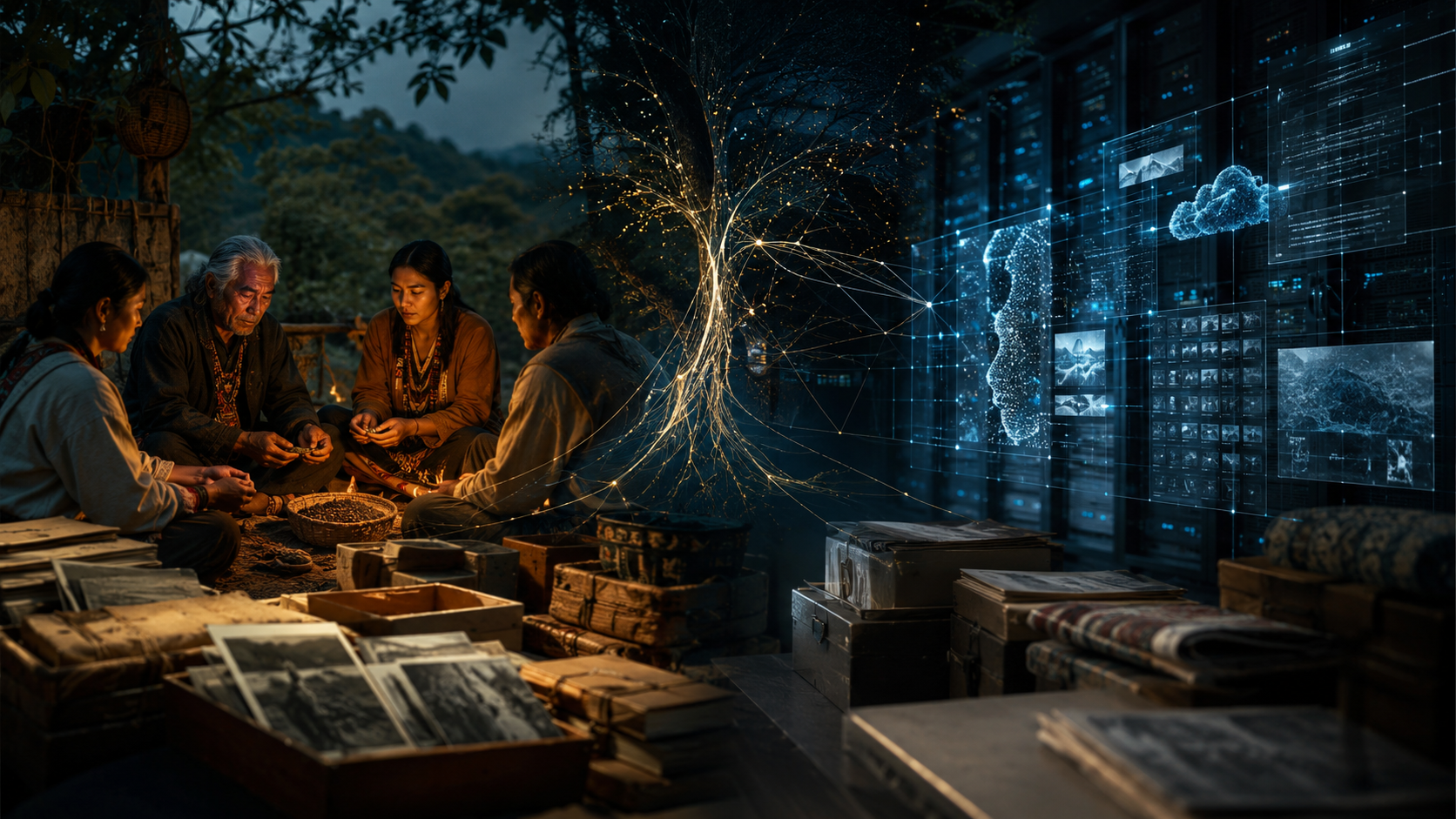
When Indigenous community knowledge is scanned, tagged, uploaded, and trained, is it being preserved or re-colonized? The AI industry loves to call data the new oil, but Indigenous experience reminds us that someone else's data are actually called ancestral spirits, kinship, and responsibility.
山海資料庫筆記

Two-Eyed Seeing is often misread as a pretty cross-domain slogan: half Western science, half Indigenous knowledge, stirred together and served. The problem is that knowledge is not salad. Two-Eyed Seeing is not compromise; it is an epistemic ethics that demands both sides change posture.
Two-Eyed Seeing Lab

AI is described as cloud services, floating in the sky; but data centers are physical beasts that consume electricity, water, and land. As the model economy expands, local communities may bear heat, grid stress, and environmental costs.
Lowerence Lee

AI-generated portraits of Indigenous people are often strikingly appealing, but precisely because they are so beautiful, they more easily mask the underlying issues of mixing, misidentification, unclear data sources, and cultural appropriation.
Yuan Media AI Editorial Desk

From a four-ping cold room to an inn garden that welcomes travelers, guards Indigenous community culture and land memory, Elder 古英勇 turned childhood regret and warmth into a philosophy of hospitality and inheritance.
古英勇

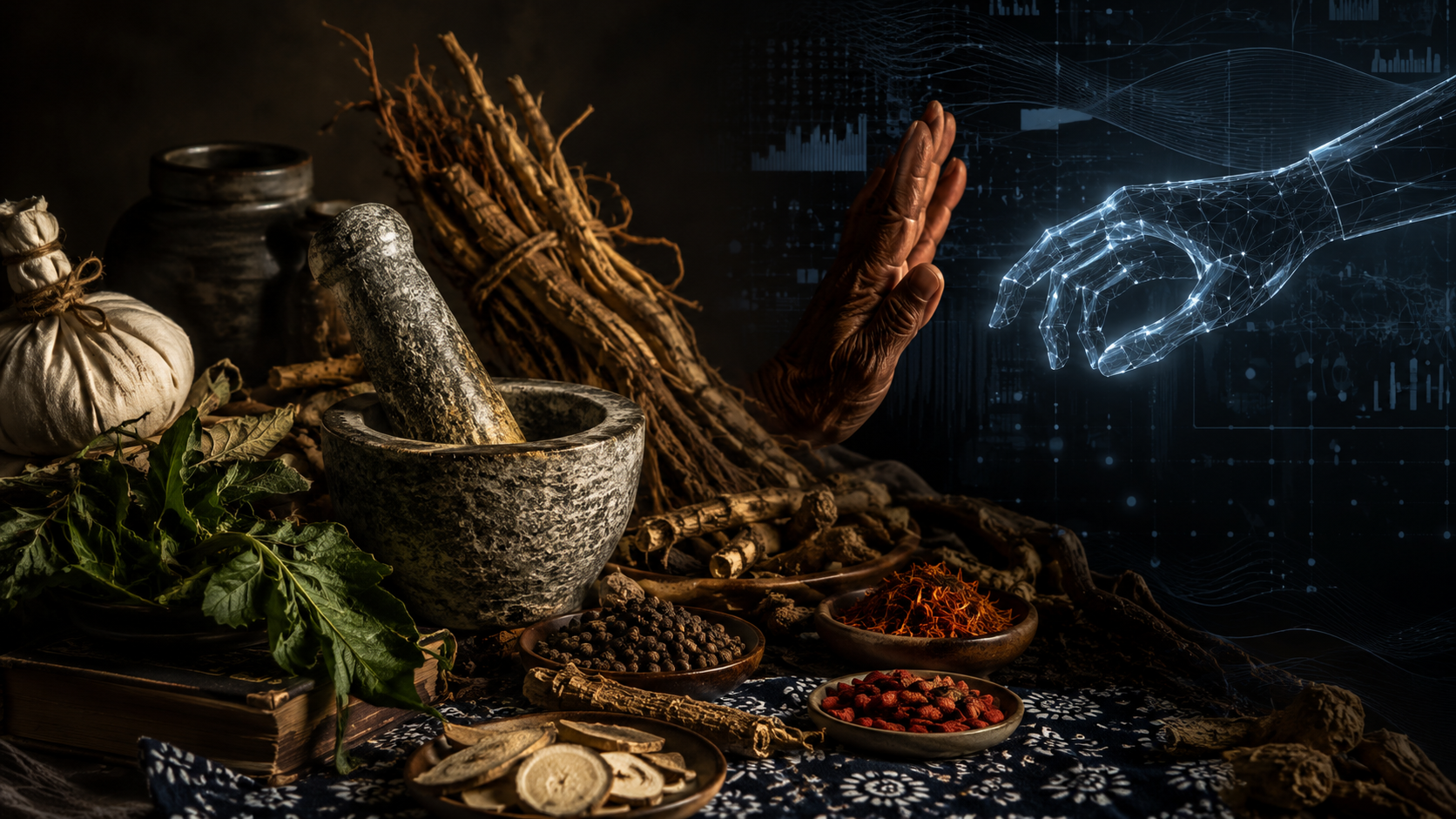
Indigenous traditional medicine is not a dataset that can be arbitrarily scraped. From data collection to model training, AI may repack ancestral knowledge, so authorization, context, community control and cultural ethics must be faced.
流羽

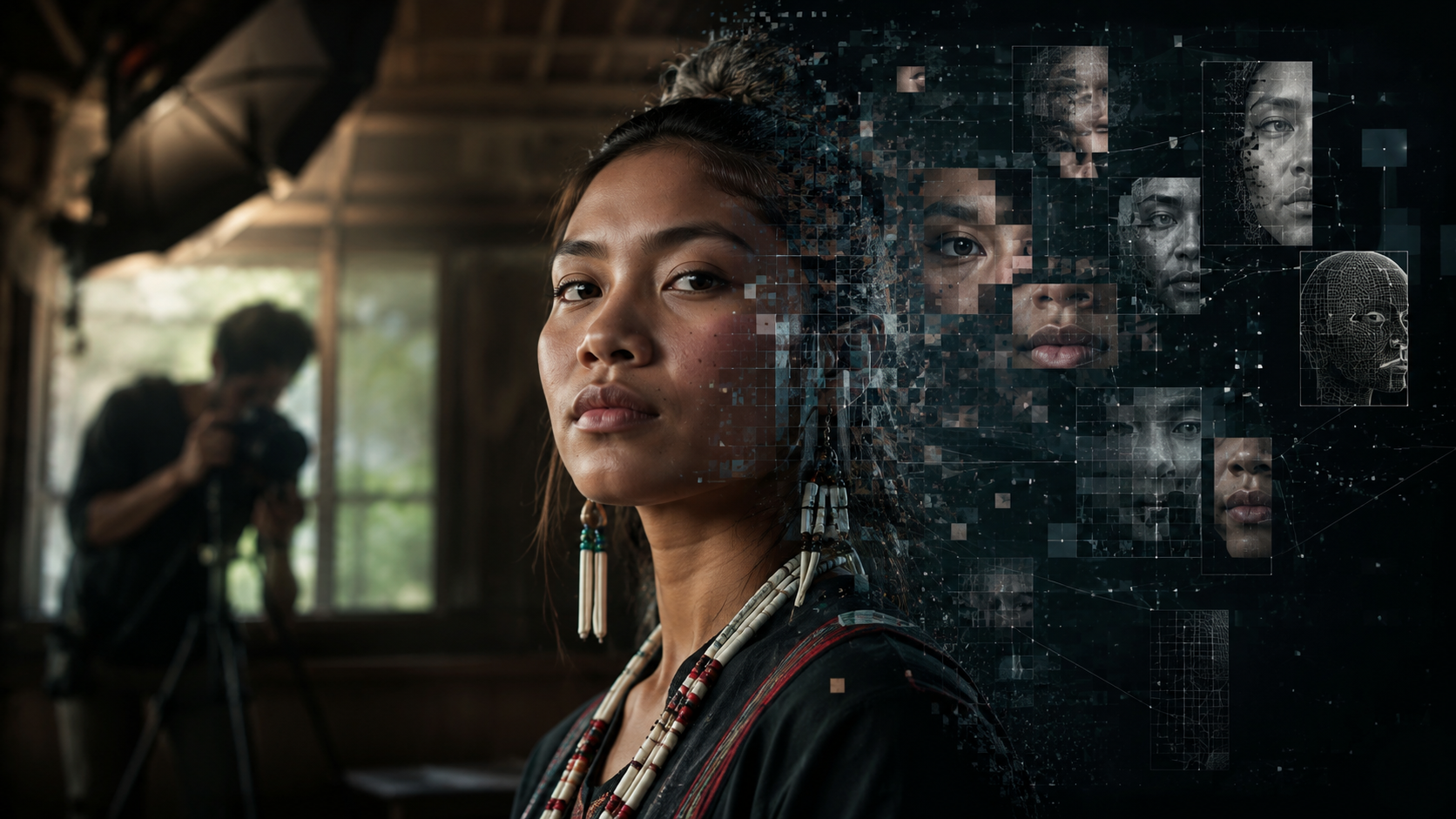
AI image tools make portrait production cheap and fast, making cultural appropriation easier than ever. Enter a few prompts and the system can generate 'Indigenous-style' faces, clothing, patterns, and backgrounds; the problem is that these seemingly non-existent faces may still borrow from real communities' bodies, symbols, and history. This article does not call for a ban on creation. It asks us to remember: when AI can draw people out of thin air, creators cannot take others' dignity out of thin air.
Aciang Iku-Silan | University Professor

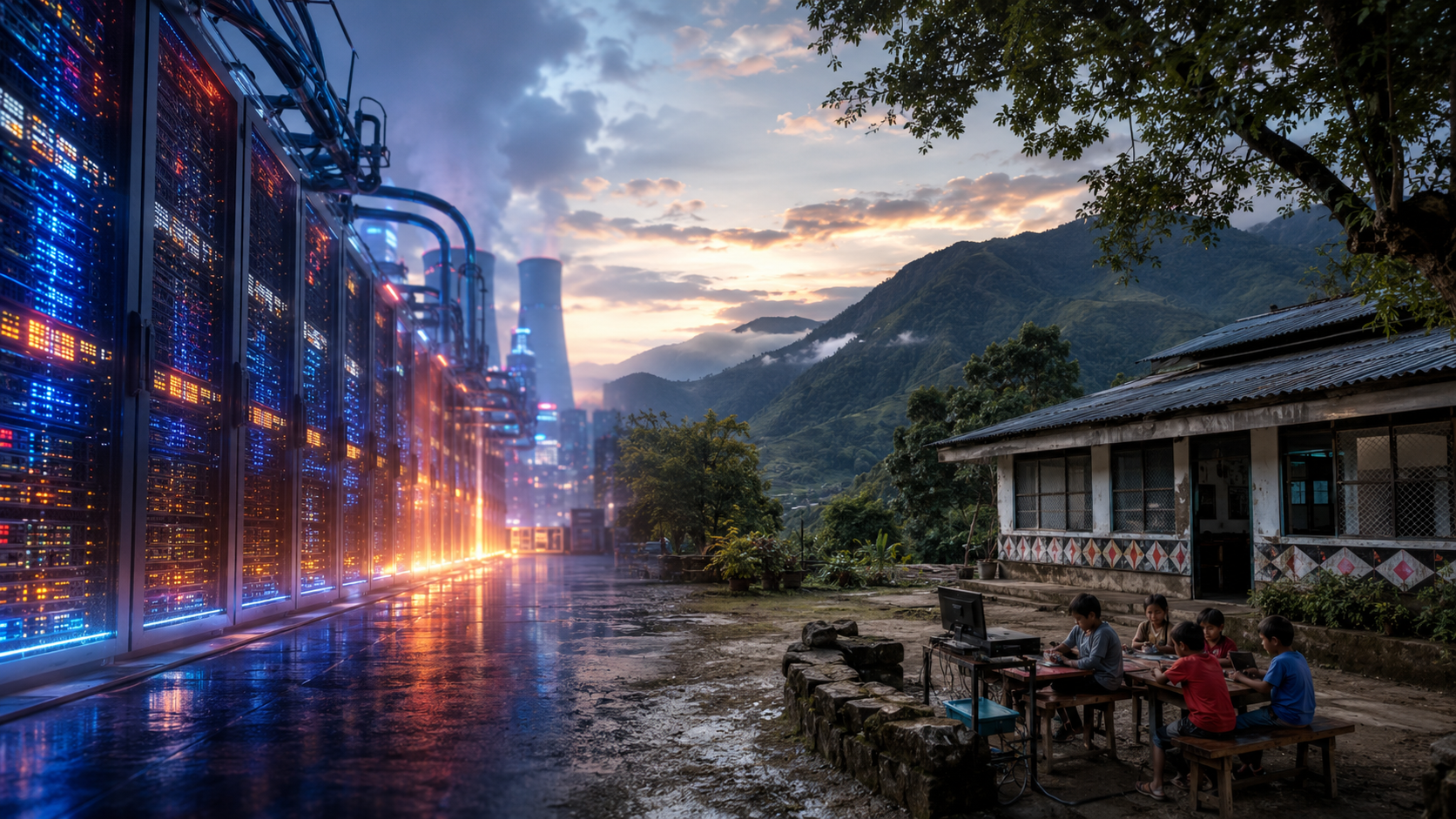
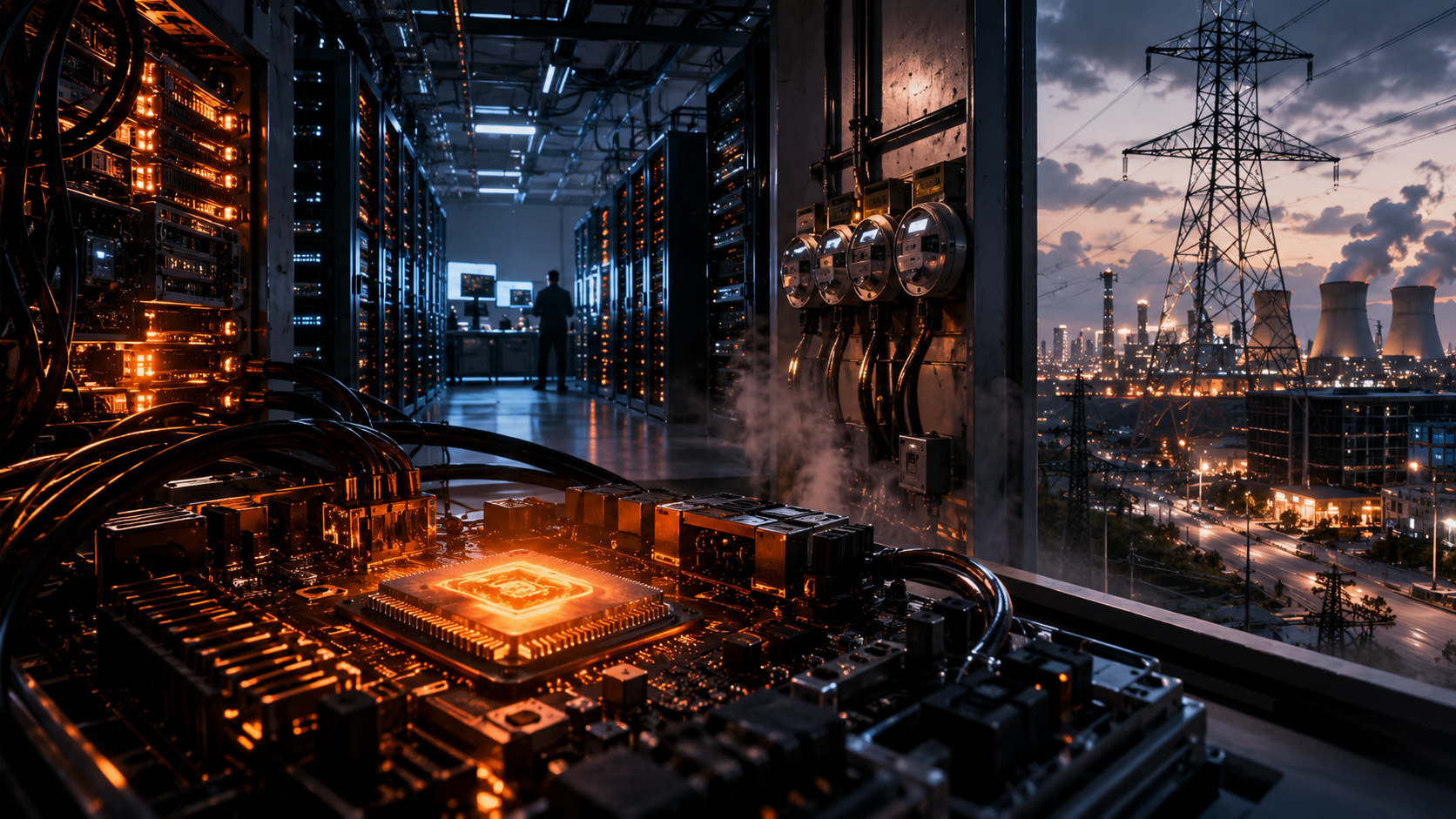
AI is often packaged as cloud services: clean, fast, invisible, like intelligence that grows naturally from a browser. But every model training, inference and image generation depends on chips, data centers, cooling systems, power grids, water resources and land use. This article does not oppose AI; it reminds us that if AI becomes new infrastructure, the public cannot listen only to tech company press conferences — it must also see electricity meters, the grid and local costs.
鄭淑禎

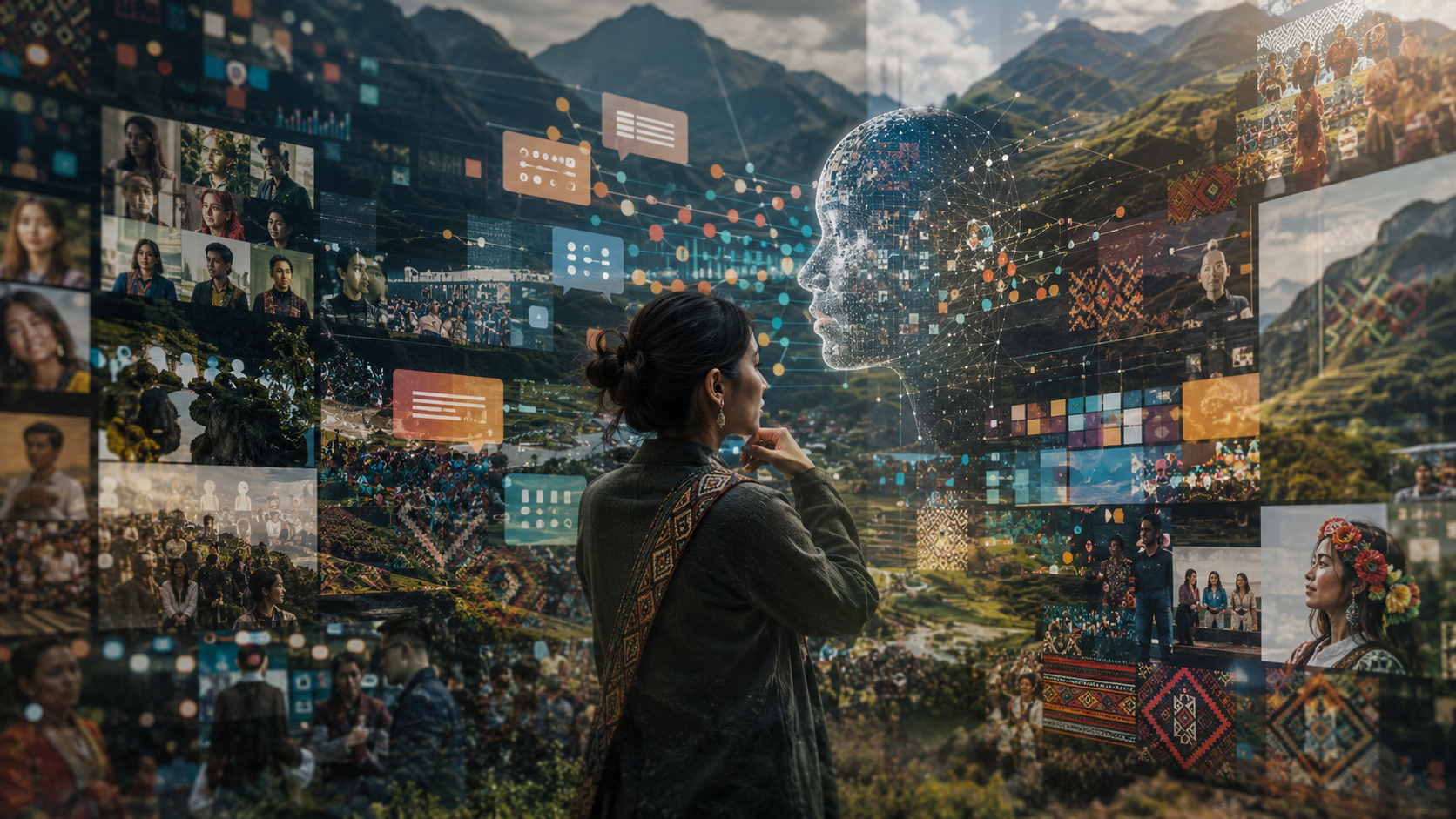
The AI industry is accustomed to breaking down the world into trainable data, as if files that can be downloaded, text that can be extracted, and images that can be labeled naturally become food for models. But for Indigenous communities, knowledge is not merely information, and data is not merely a resource; it connects to land, kinship, care, taboos, responsibilities, and collective futures. Drawing on Indigenous Data Sovereignty and the CARE Principles, this article argues that AI governance cannot treat ancestral knowledge as free cloud fertilizer.
Yuan Media AI Editorial Desk

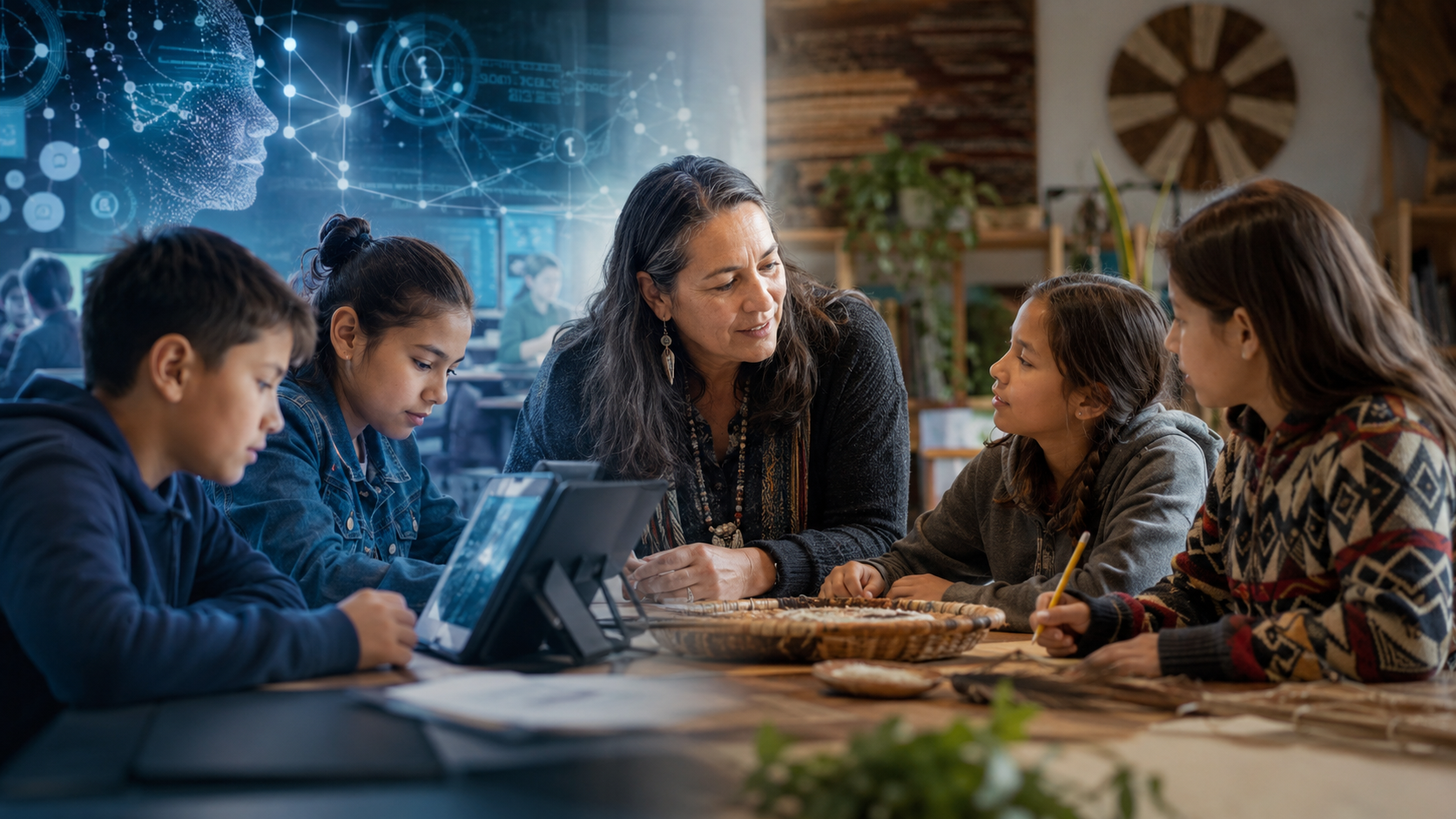
AI education is often reduced to efficiency: faster grading, summarizing, generating materials, tracking learning data. But children are not optimized processes or predictable users. Two-Eyed Seeing reminds us that one eye sees what technology can do, while the other sees relationships, culture, and human wholeness.
Ann Ying

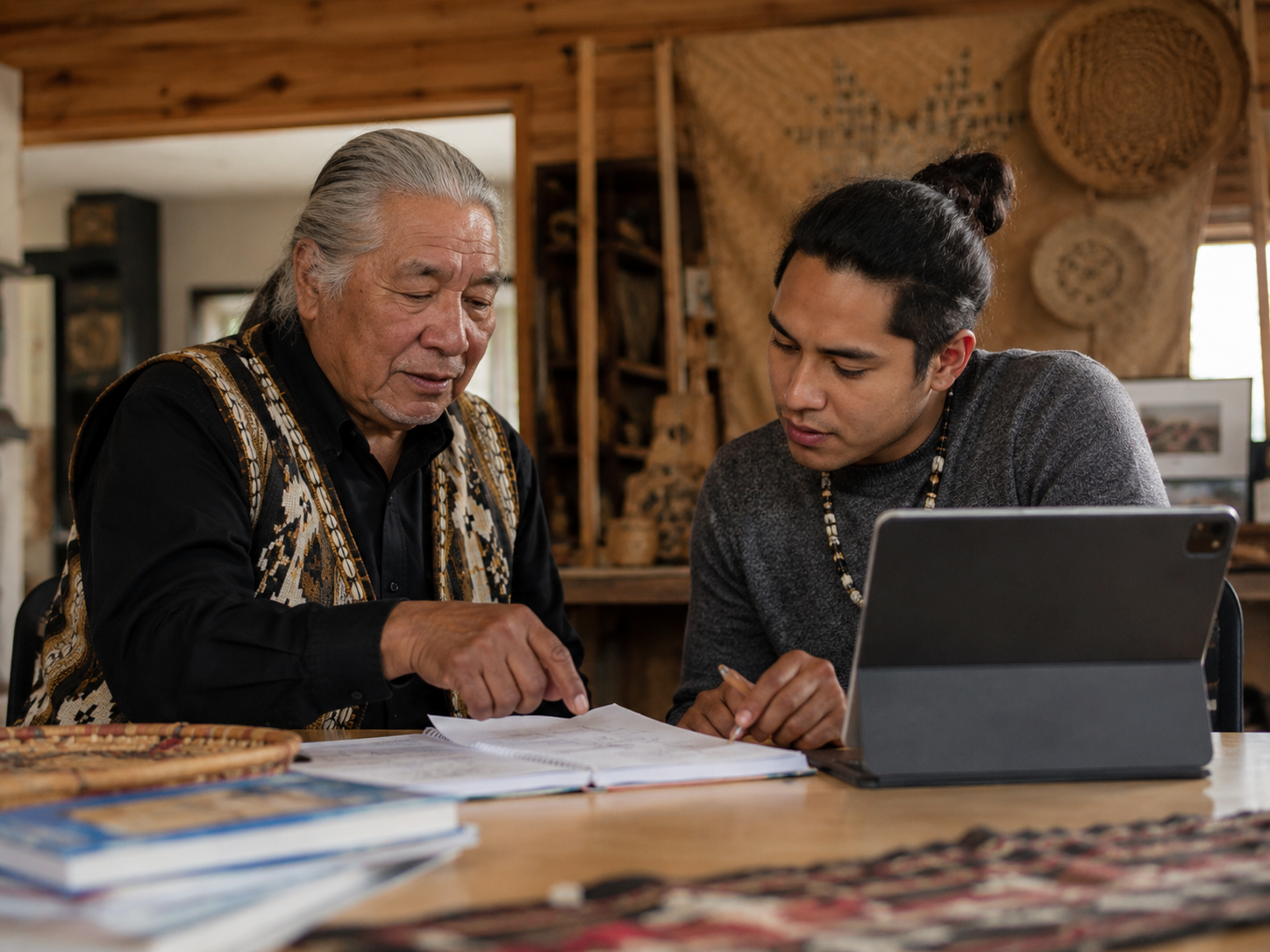
Large language models entering endangered language preservation may appear as technological benevolence, but they actually implicate corpus licensing, cultural context, and knowledge sovereignty. Language is not a dictionary or clean data that can be fed into a model; it connects to land, dreams, kinship terms, ancestral memory, and community responsibility. This article asks from the Two-Eyed Seeing perspective: Is AI assisting language revitalization, or turning living languages into beautiful digital specimens?
Ma Le Ve

Generative AI appears as a chat tool available to everyone, but underneath lies a highly concentrated compute economy. When model training depends on expensive chips, cloud data centers, and vast amounts of electricity, knowledge production is no longer only about who has ideas, but who has GPUs, who has power, and who has capital. This article continues the 'Algorithmic Iron Curtain' series, examining power concentration in the era of large models, and whether public knowledge can retain democratic character under compute monopoly.
阿克斯星門

AI healthcare often centers on efficiency, prediction, and diagnostic accuracy. Yet many Indigenous healing traditions attend not only to disease names but also about balance among people, land, seasons, family, emotions, and spiritual order. When traditional medicine is digitized and modeled, the greatest risk is not rapid technological progress but the fragmentation of healing contexts. This article begins with grandmother's medicine cabinet to remind us that in the AI era we must rethink health knowledge sovereignty.
林秀妹

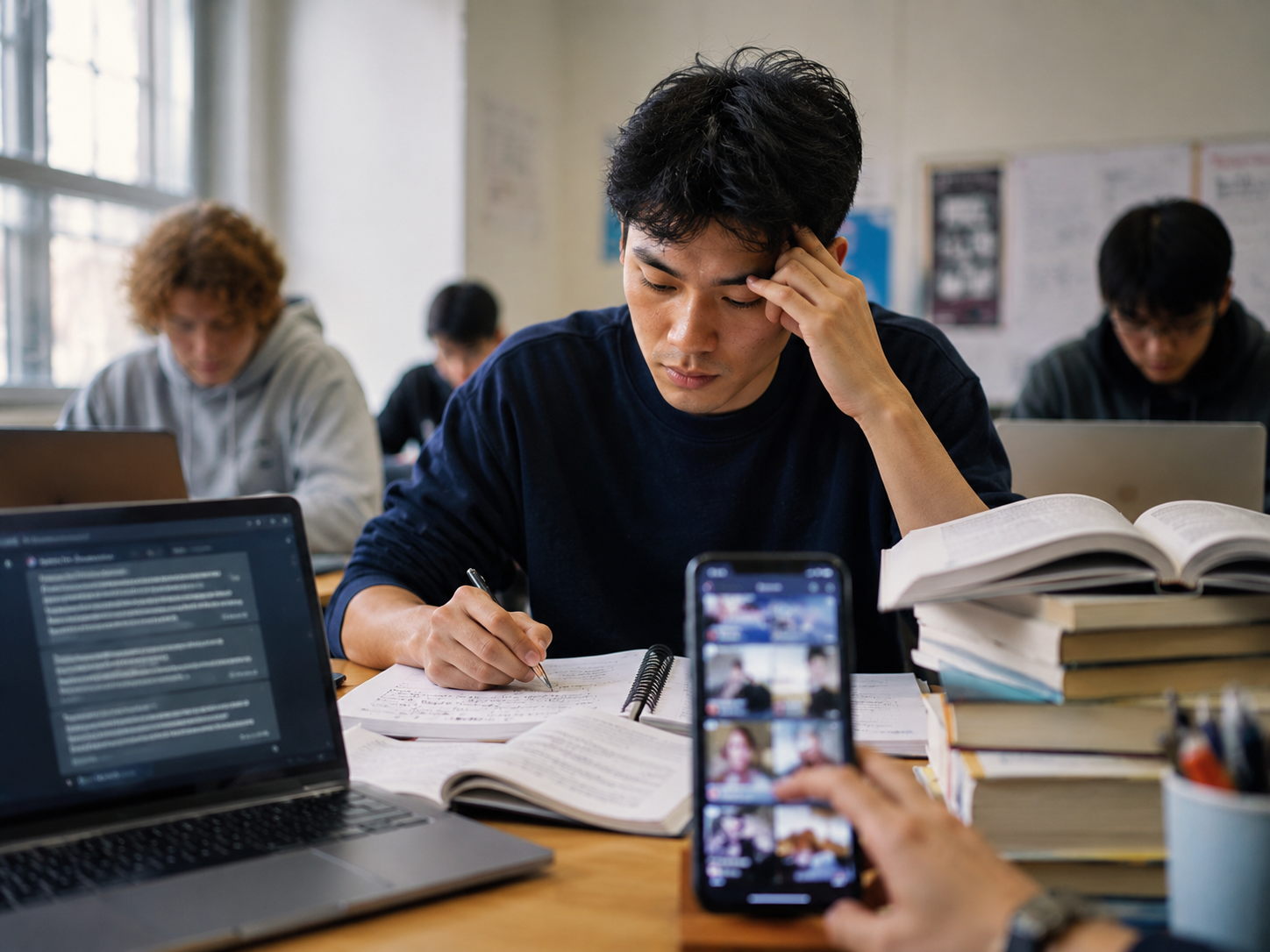
Short videos and AI summaries are changing how we access knowledge. Students can get key points faster, but they also outsource understanding to algorithms more easily. The issue isn't whether young people scroll phones—it's whether education has become merely absorbing information without training judgment, questioning, and tracing sources.
Yuan Media AI Editorial Desk

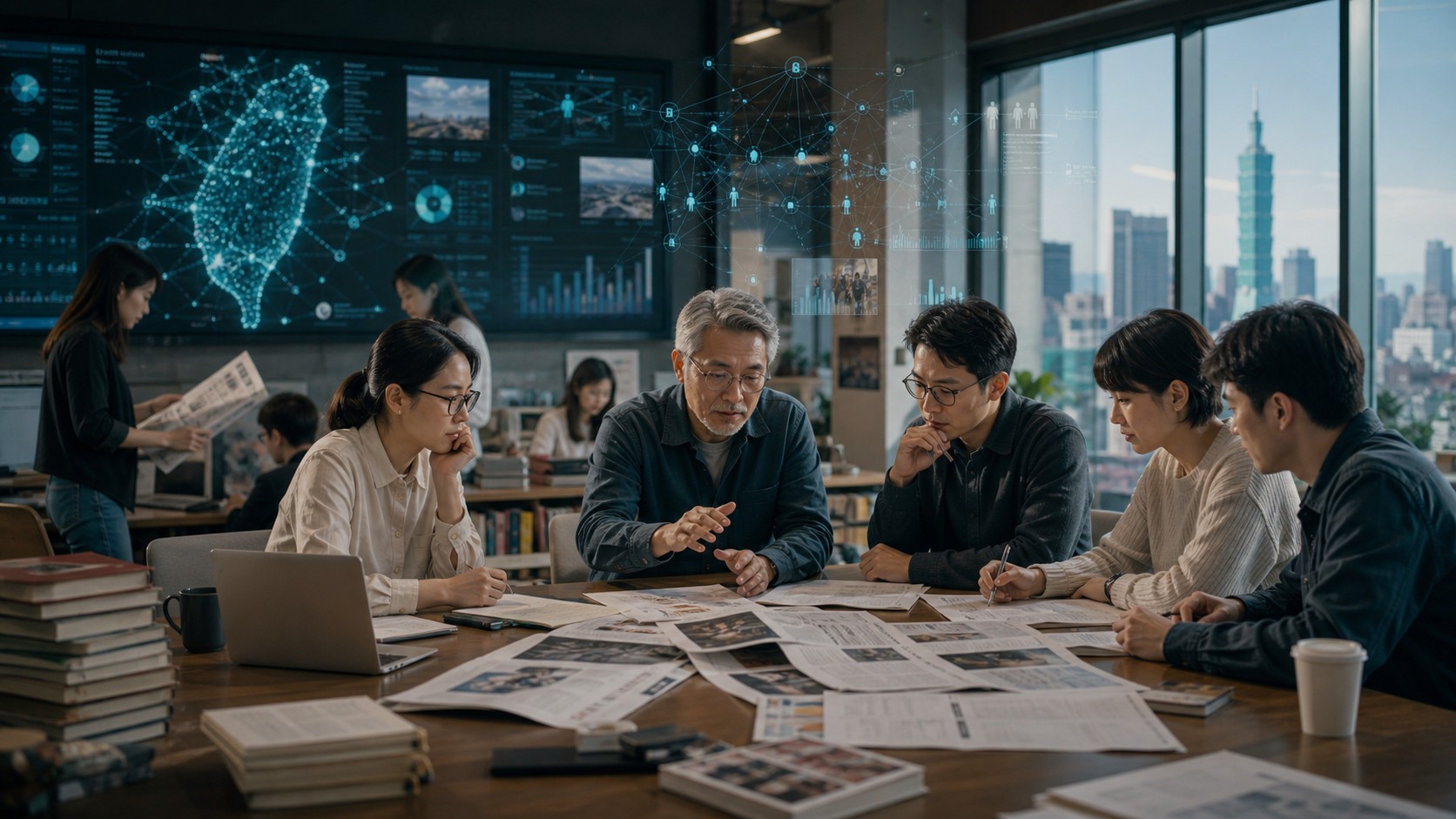
While everyone chases models, tools and rankings, what people truly need is not another magical button but a reading method that can make sense of how the world is being rewritten by AI.
Yuan Media AI Editorial Desk

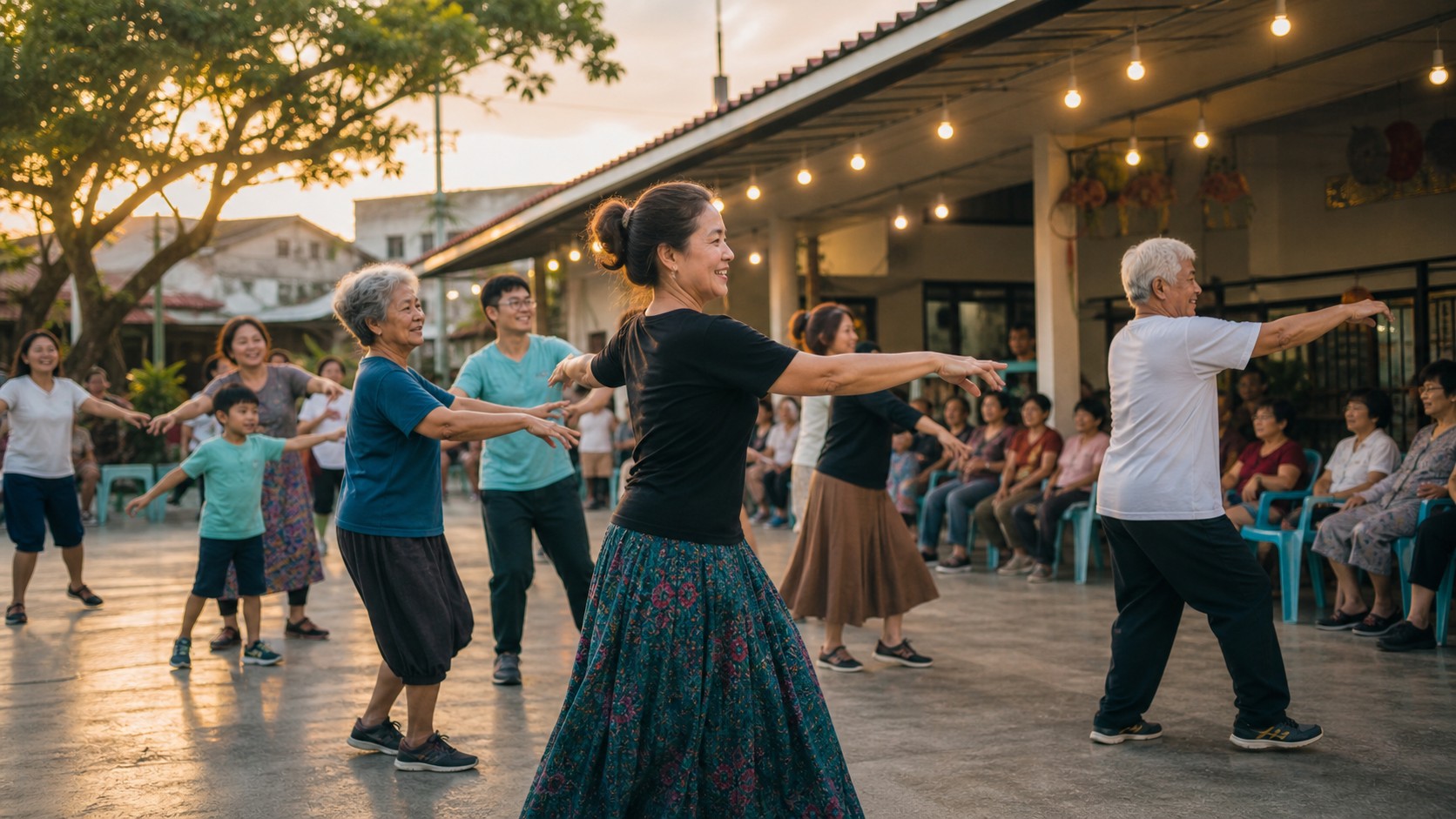
A dance troupe may seem to be only rehearsals and performances, but it can bring the community back together and help different generations rediscover reasons for living together through bodily rhythms.
李雪華

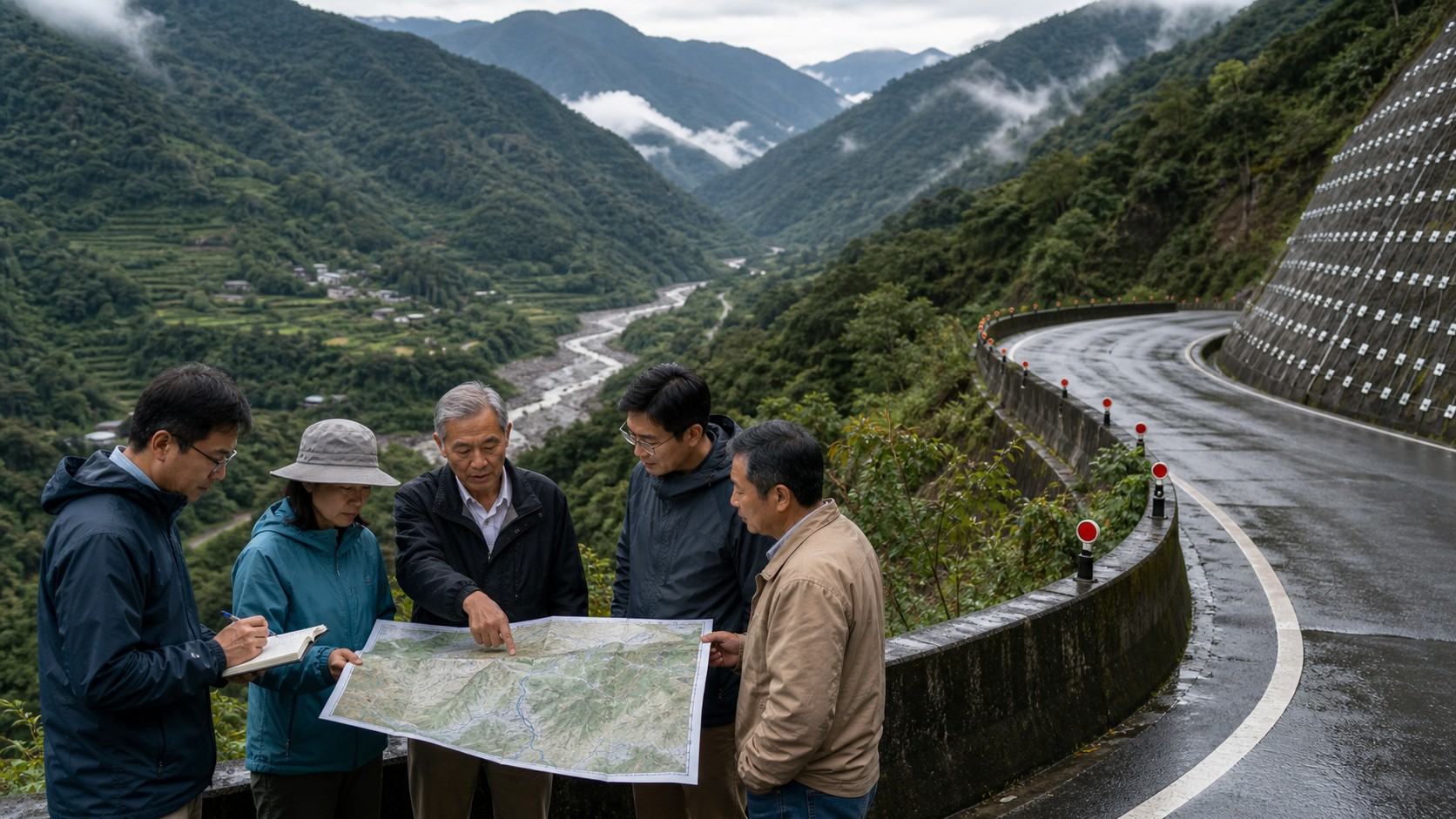
The difficulties of mountain governance are not just about distance; institutions often impose plains-based assumptions about time, transport, administration and risk onto mountain areas, making policies appear complete yet hard to implement.
廖福德

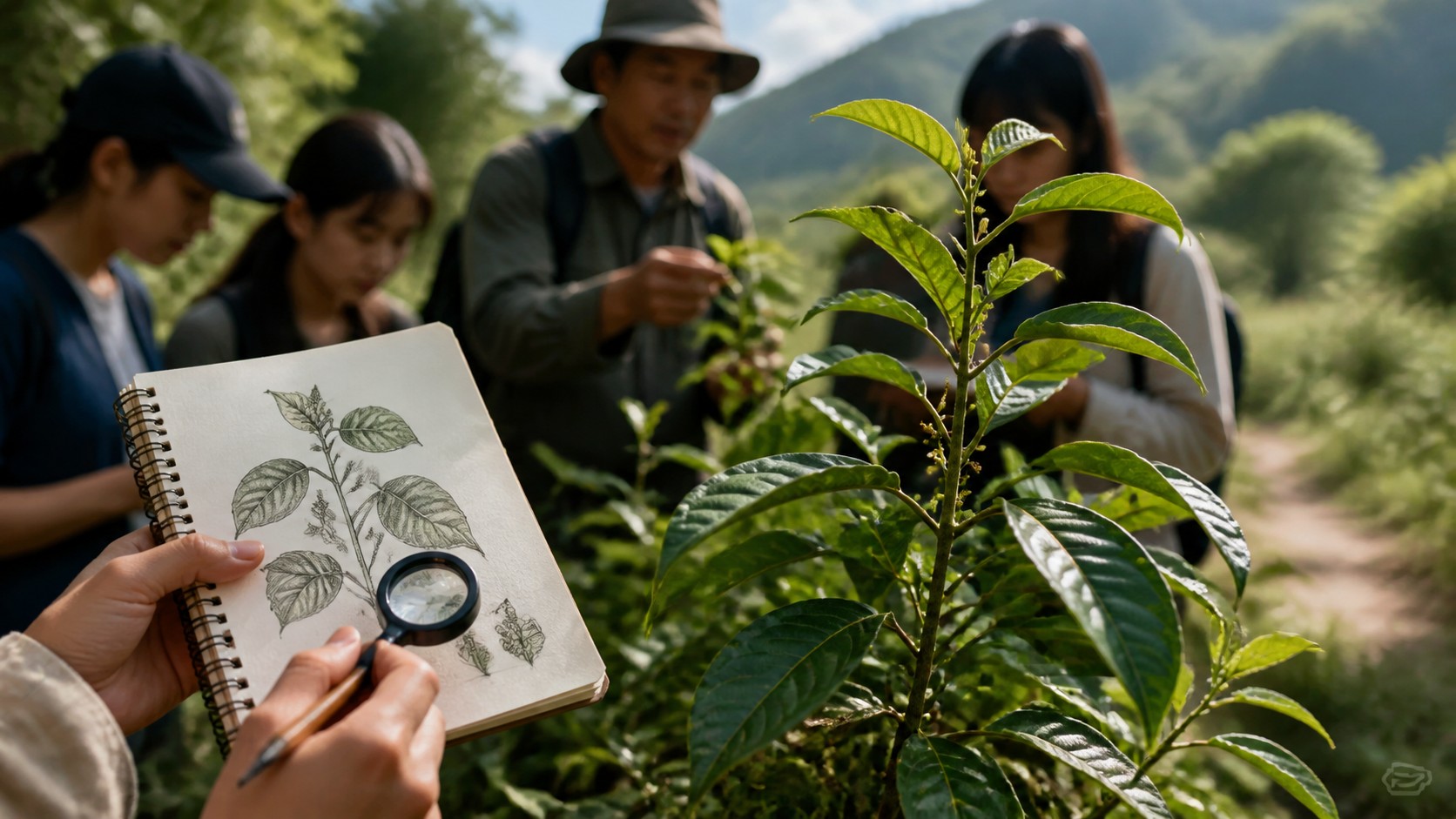
Knowing plants is not just about memorizing Latin names or uses, but learning to see seasons, terrain, care methods, Indigenous language naming, and the relationships between people and their environment.
莊溪